How Often You Need a Chimney Sweep in St. Louis

A working chimney doesn’t always mean a clean chimney. Over time, soot and creosote quietly build up inside, increasing your risk of fire or carbon monoxide in your chimney. Knowing when to clean your chimney and what happens if you wait too long can protect your home and your family. If you’re unsure when to schedule your next chimney sweep, this guide breaks it down.

Chimney Cleaning Isn’t Just for Fall

Many homeowners think chimney cleaning is something you schedule when leaves start to fall. And yes, early autumn is a smart time to do it. But regular cleaning shouldn’t be seen as a seasonal chore—it’s a form of ongoing home protection.

Whether your chimney is active year-round or only sees a few fires in the winter, it still collects debris and residue. Burning wood releases particles that coat the walls of your flue. Wind and rain carry leaves, dirt, and moisture into the chimney. Animals sometimes nest in the flue during warmer months. All of this buildup puts pressure on your chimney’s structure and limits its ability to function safely.

Chimney cleaning is less about timing and more about condition. Fall may be the most popular time to get it done, but your chimney could need cleaning well before or after that depending on how it’s used and what it’s exposed to.

What Happens When You Skip Regular Chimney Cleaning

The longer a chimney goes without cleaning, the more vulnerable it becomes to serious (and expensive) problems. Three common issues arise when chimney maintenance is put off too long:

Creosote Buildup

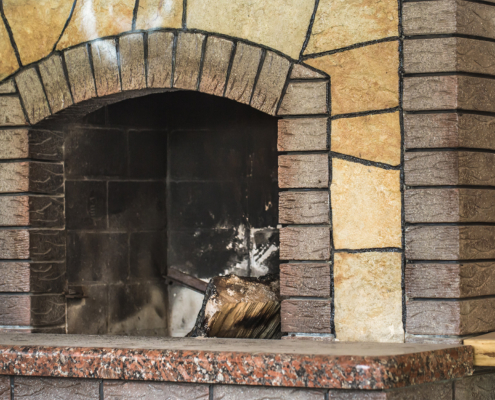
Creosote is a black, sticky or flaky substance that forms when wood burns. It sticks to the inside of your chimney and gets thicker with every fire. In large amounts, creosote becomes highly flammable and can ignite inside the flue. It’s one of the leading causes of chimney fires in homes across the U.S.

Blockages and Obstructions

Leaves, twigs, and even small animals can create blockages inside your chimney. These reduce airflow and make it harder for smoke and fumes to exit your home. Even if your fires burn fine now, blockages can lead to poor performance over time—and they often go unnoticed until they cause a problem.

Damage to the Flue and Liner

Soot and moisture create acidic conditions that eat away at your chimney’s liner. A damaged liner can’t contain heat or toxic gases as effectively, which increases the risk of fire and carbon monoxide leaks. This kind of deterioration often starts inside the flue, where it’s invisible from the outside.

What’s Really at Risk? Safety, Air Quality, and Your Budget

A neglected chimney doesn’t just impact your fireplace—it affects the safety and comfort of your entire home.

Chimney Fires

When creosote ignites, it burns extremely hot and can spread quickly. Chimney fires may start and extinguish without homeowners ever realizing it, but even small flare-ups cause damage that makes your system more vulnerable to future ignition.

Carbon Monoxide Exposure

A blocked or damaged flue prevents proper airflow, causing gases like carbon monoxide (CO) to build up inside your home. CO is colorless and odorless, making it especially dangerous without proper detection. Regular chimney cleanings help ensure gases vent safely outside.

Poor Indoor Air Quality

A clogged chimney can cause smoke to back up into your living space. In addition to being unpleasant, this smoke can irritate lungs and eyes, especially in children, older adults, or anyone with respiratory conditions.

Higher Repair Costs

Cleaning a chimney costs far less than repairing a damaged flue or rebuilding a firebox. Proactive care helps catch minor issues before they grow into more expensive ones.

How to Know When It’s Time for a Chimney Cleaning

You don’t need to be a chimney expert to spot signs that something isn’t right. Here are a few red flags to watch for:

  • Strong odors coming from the fireplace, especially a burnt or musty smell
  • Smoke backing up into the room when you light a fire
  • Black stains or residue around the flue or damper
  • Fires that are slow to start or don’t burn as hot as usual
  • Poor draft or difficulty keeping the fire lit

If you’re seeing any of these symptoms, your chimney likely needs cleaning—and possibly an inspection to rule out deeper issues. That said, keep in mind that not all problems are visible. Many dangerous issues develop slowly and silently, which is why regular cleanings matter even when everything seems fine on the surface.

How Often Should You Clean Your Chimney?

There’s no one-size-fits-all answer, but here are some general guidelines for how often you should clean your chimney:

Once a Year for Most Homes

The National Fire Protection Association recommends an annual chimney inspection and cleaning for homes that burn wood, even occasionally. This ensures that creosote levels remain low and that other components like the cap, flashing, and flue are in good condition.

Twice a Year for Frequent Use

If you use your fireplace several times a week during the fall and winter, or if you rely on it as a primary heat source, schedule a second cleaning midway through the heating season.

Every 1–2 Years for Low-Use or Gas Systems

Even if you rarely use your chimney, an inspection should be done at least every two years. Gas fireplaces produce less residue than wood-burning ones, but they can still experience blockages and moisture problems.

Environmental Factors to Consider

If your home is surrounded by trees or exposed to high winds, you may need more frequent cleanings due to falling debris. Homes in damp or coastal climates may also require more maintenance due to higher moisture levels.

Don’t wait for warning signs. Book a professional chimney cleaning with Approved Home Improvements to keep your home safe, efficient, and fire-ready.

Why Fall Is the Ideal Time for a Chimney Cleaning

Early fall is the perfect time to schedule your chimney cleaning. Here’s why:

  • You’ll beat the seasonal rush. Most chimney services get busy in late fall, which means longer wait times and fewer open appointments.
  • You’ll ensure your fireplace is ready. Having your chimney inspected and cleaned before the first fire gives you peace of mind heading into colder months.
  • You’ll prevent surprises. Finding out you need a repair in the middle of winter is inconvenient—and it could leave your fireplace out of commission when you need it most.

If you’re planning to use your fireplace this fall and winter, a professional cleaning now will make sure it’s safe, efficient, and fully operational.

Schedule Your Chimney Sweep in St. Louis

Chimney cleaning is one of the most important (and often overlooked) ways to protect your home. Whether you use your fireplace every week or just a few times a year, regular cleaning helps prevent fires, reduce harmful fumes, and extend the life of your chimney. Contact Approved Home Improvements today to schedule your chimney cleaning and keep your home ready for the season ahead.

More Like This

Dirty Chimney in home
Do Gas Fireplaces Need a Chimney Sweep Like Wood Ones
The Impact of St. Louis Weather on Your Chimney and How That Impacts Chimney Maintenance
Fireplace burning firewood, fire flames on wood logs, bricks background
a chimney sweep climbs a metal ladder to the roof of the bathhouse to clean the pipe from burning
Front view, brick chimney on roof
chimney sweep on the roof
Request a Free Chimney Quote