The Impact of St. Louis Weather on Your Chimney and How That Impacts Chimney Maintenance

St. Louis weather keeps homeowners on their toes. One week you’re enjoying a crisp fall night by the fireplace, and the next you’re dealing with heavy rain, high humidity, or a sudden cold snap. Your chimney feels every bit of that change. Unlike a roof or siding problem, chimney damage often starts quietly. Moisture seeps in, mortar weakens, tiny cracks widen, and draft performance shifts until one day you notice staining, odors, or smoke backing into the room.

That’s why chimney maintenance in St. Louis has to be seasonal and proactive. This isn’t the kind of climate where you can set it and forget it. When you understand how local conditions wear down masonry and venting systems, you can schedule the right care at the right time, protect your home, and avoid surprise repairs when you need your fireplace most.

A Quick Look at St. Louis Weather Patterns

Before we get into the chimney-specific impacts, it helps to zoom out and look at what makes our region so demanding. St. Louis sits in a zone where temperature swings, storms, and humidity regularly stress exterior materials, especially masonry systems that absorb water.

In other words, the environment is doing constant work on your chimney, even when you aren’t using your fireplace.

Four Seasons, One Chimney, and Constant Stress

St. Louis homeowners deal with:

  • Cold winters with frequent temperature shifts above and below freezing
  • Wet springs with heavy rain and fast-changing temperatures
  • Hot, humid summers that keep masonry damp longer than you’d expect
  • Windy fall weather and debris from trees and storms

Each season affects chimney maintenance differently, which is why a once-a-year mindset can miss issues that develop between your usual appointments.

Why Chimneys Are Vulnerable in This Climate

Chimneys are exposed on all sides and built from porous materials like brick and mortar. Those materials naturally absorb moisture. When conditions fluctuate, that moisture expands, contracts, evaporates slowly, or gets trapped. Over time, it can compromise both structure and safety.

That’s where routine chimney inspection and timely repairs matter. You’re not just maintaining a feature on your roof. You’re protecting a working vent system connected to fire, smoke, and gases.

How Weather Physically Damages Chimneys

Weather damage is not random. It follows predictable patterns based on how water and temperature interact with masonry and metal components. Once you know what to look for, the “why” behind chimney maintenance starts to make a lot more sense.

Let’s walk through the main ways St. Louis conditions break chimneys down over time.

Moisture Intrusion and Masonry Erosion

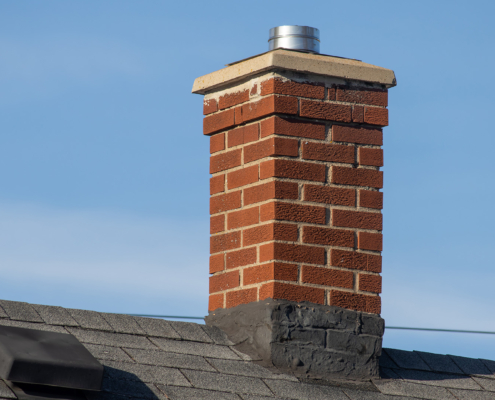
Rain isn’t the only issue. Wind-driven rain, melting snow, and constant humidity all contribute to moisture intrusion. Brick and mortar can absorb water like a sponge, especially if the chimney crown, cap, or flashing has weak points.

Over time, moisture can lead to:

  • Mortar joints softening and crumbling
  • Brick faces spalling or flaking
  • White staining (efflorescence) on the exterior
  • Rusting around the damper or firebox components

Chimney maintenance is how you stop that cycle early. A chimney inspection can identify where water is getting in before it causes the type of damage you can see from the yard.

Freeze-Thaw Damage and the Crack That Keeps Growing

This is one of the biggest St. Louis chimney killers. When water gets into small cracks or porous mortar and temperatures drop, the water freezes and expands. When it warms up, it thaws and contracts. That repeated cycle is what causes freeze-thaw damage.

Freeze-thaw damage often shows up as:

  • Stair-step cracks in brickwork
  • Separated mortar joints
  • Loose bricks near the top of the chimney
  • Deterioration around the crown and shoulders

Flue Damage From Temperature Shifts

It’s not only the outside that suffers. Temperature changes affect the interior of the system, too. When you burn fires, the flue heats up. When the fire goes out, it cools. Combine those heat cycles with cold outdoor temps, and the system experiences big swings.

A chimney inspection helps catch early signs of flue wear. If the flue is compromised, it can impact draft, safety, and the effectiveness of chimney flue cleaning.

Storm Debris and Blockage Risks

St. Louis storms can dump branches, leaves, and debris onto roofs and chimneys. If you don’t have a proper chimney cap or if one has loosened, debris can enter the flue and create partial blockages.

Blockages affect airflow. They also increase the likelihood of smoke issues and can contribute to creosote buildup by disrupting how efficiently your fire burns and vents.

Want a cleaner, safer fireplace before St. Louis weather takes its toll? Explore our chimney sweeping services at Approved Home Improvements to schedule chimney flue cleaning with a safety-first, transparent team.

Seasonal Risks and Red Flags Homeowners Should Watch For

Chimney maintenance becomes a lot easier when you know which red flags to pay attention to at different times of the year.

Post-Winter: Cracks, Leaks, and Loose Masonry

After winter, your chimney has typically been through months of freeze-thaw damage, wind, and moisture exposure. This is when small weaknesses show themselves.

Look for:

  • New cracks in mortar joints or brick faces
  • Water staining on interior walls near the chimney
  • A musty odor near the fireplace
  • Rust on the damper or fireplace components
  • Bits of mortar or brick in the firebox

Spring is a smart time for a chimney inspection because it helps you assess winter damage and plan repairs before summer storms and humidity make things worse.

Summer: Humidity, Odors, and Hidden Moisture Problems

St. Louis humidity keeps chimneys damp longer than most homeowners expect. When moisture lingers in the flue and firebox, it can amplify smoky, stale odors and push them into your living space. Over time, that damp environment can also encourage mold growth and speed up wear on masonry and metal components.

Humidity also changes how leftover residue behaves. It won’t create creosote buildup on its own, but it can make an already dirty flue smell worse and feel heavier or stuffy, even when the fireplace isn’t in use. That’s why chimney flue cleaning and consistent chimney maintenance still matter in the off-season, especially if you want to avoid odor issues and long-term moisture damage.

Fall: The Rush Season and the First Fire

Fall is when homeowners remember the fireplace exists. The first fire of the season is also when you learn if anything is wrong.

Red flags include:

  • Smoke entering the room
  • Poor draft or hard-to-start fires
  • Strong, tar-like odors that linger
  • Debris falling into the firebox
  • Loud animal noises or scratching

Fall is also the busiest time for chimney companies. If you wait until the first cold weekend, you may be scheduling later than you want. Chimney maintenance is easier when you plan ahead.

Winter: Active Use and Higher Stakes

Winter is when your chimney is doing the most work. Any defects in venting, structure, or cleanliness matter more because you’re actively using the system.

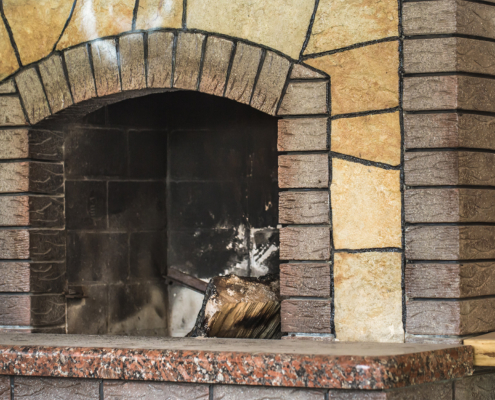
This is also when creosote buildup becomes more dangerous. More fires mean more residue. If the flue isn’t clean, that buildup becomes a fire risk. If the chimney has draft issues, it becomes a comfort problem and a safety concern.

The Best Chimney Maintenance Timeline for St. Louis Homeowners

Chimney maintenance should follow the calendar, not just your mood. When weather patterns are predictable, your upkeep schedule can be too. A simple seasonal approach usually keeps homeowners in a great spot.

Here’s a practical rhythm that works well for many St. Louis households.

Spring: Inspection and Repair Planning

Spring is ideal for a chimney inspection because it comes after the harshest season and gives you time to plan repairs without urgency. If freeze-thaw damage showed up, spring is the moment to address it.

Spring chimney maintenance often includes:

  • A chimney inspection to evaluate winter wear
  • Checking the crown, cap, and flashing for leaks
  • Noting cracks, loose mortar, or missing bricks
  • Planning repair work before heavy storm season

Summer: Moisture Control and Smart Scheduling

Is summer a good time to inspect your chimney? Yes, and it’s often overlooked. Scheduling in summer can be convenient because you’re not depending on the fireplace daily, and you’re not competing with peak fall demand.

Summer chimney maintenance can include a chimney inspection, moisture-related repair work, and preparation for the fall burn season. It’s also a good time for chimney flue cleaning if you want to go into fall ready.

Early Fall: Cleaning and Pre-Burn Readiness

Early fall is usually the sweet spot for chimney sweeping in Missouri. It’s close enough to the burn season to be timely, but early enough that you can book before schedules fill up and you’re rushing to get service during the first cold snap.

This is also when chimney flue cleaning has the biggest payoff. You clear out soot and creosote buildup before you ramp up fireplace use, which helps your system draft better and lowers fire risk throughout the season.

Winter: Use-Based Check-Ins

Winter chimney maintenance is mostly about awareness. If you use your fireplace heavily, pay attention to changes in draft, odor, or smoke behavior. If anything feels off, a mid-season check can be the safer move, especially if you suspect creosote buildup.

What Happens If You Skip Seasonal Chimney Care?

Skipping chimney maintenance tends to turn small, manageable issues into bigger, more expensive ones. When a chimney isn’t checked and cleaned on a regular schedule, buildup and moisture problems have more time to grow, and weather-related wear has more opportunities to spread.

Common outcomes include:

  • Creosote buildup that raises chimney fire risk
  • Moisture intrusion that accelerates masonry deterioration
  • Minor cracks that expand into significant freeze-thaw damage
  • Draft issues that cause smoky fires and lower efficiency
  • Repairs that become more urgent, disruptive, and costly

If the goal is to avoid major repair bills, routine chimney maintenance is one of the most cost-effective ways to protect your chimney long-term.

Start Planning Proactively With Approved Home Improvements

St. Louis weather isn’t gentle on chimneys, and it never takes a season off. Moisture intrusion, freeze-thaw damage, storms, and humidity all create real wear that impacts structure and safety. Chimney maintenance is what keeps those forces from turning into costly repairs or dangerous conditions.

At Approved Home Improvements, we understand how St. Louis homes and weather patterns interact because we work in them every day. If you want a clear, safety-first plan, we can help with chimney inspection, chimney flue cleaning, and the kind of proactive chimney maintenance that keeps your fireplace ready when you need it most.

More Like This

Dirty Chimney in home
Do Gas Fireplaces Need a Chimney Sweep Like Wood Ones
Fireplace burning firewood, fire flames on wood logs, bricks background
a chimney sweep climbs a metal ladder to the roof of the bathhouse to clean the pipe from burning
Front view, brick chimney on roof
chimney sweep on the roof
Request a Free Chimney Quote