5 Quiet Signs Your Home Needs Tuckpointing Services

Brick homes are known for their strength and longevity, but even the toughest masonry relies on mortar to keep everything together. Over time, that mortar slowly breaks down from weather exposure, moisture, and natural structural movement.
The challenge is that the early signs of mortar deterioration aren’t always obvious. Many homeowners assume their brickwork is fine until visible damage appears. By that point, repairs may already be more extensive than necessary.

Learning to recognize the quieter warning signs can help you schedule tuckpointing services before your home develops serious structural problems.

What Are Tuckpointing Services?

Tuckpointing is the process of removing damaged mortar between bricks and replacing it with new mortar that restores the structure and stability of the masonry. While the bricks themselves may last for decades, mortar joints naturally wear down and must eventually be replaced.

Professional tuckpointing services do more than improve the appearance of your home. They also help seal out moisture, reinforce structural integrity, and prevent long-term masonry damage.

Tuckpointing can be performed on many parts of a home, including exterior brick walls, foundations, fireplaces, and chimneys.

Sign #1: Crumbling Mortar Between Bricks

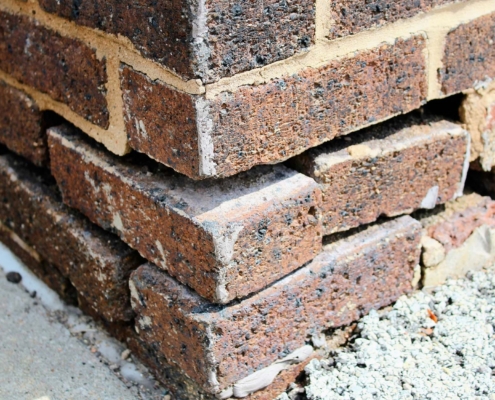
One of the earliest signs that tuckpointing services are needed is mortar that appears worn or recessed between bricks.

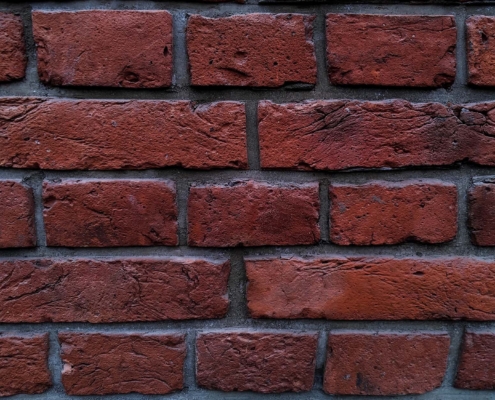
Healthy mortar joints should sit nearly flush with the brick surface. When mortar begins to crumble or recede inward, small gaps form along the joints. These gaps allow water to enter the masonry, which can accelerate deterioration.

At first, the damage may appear cosmetic. However, once moisture reaches the interior of the masonry, the freeze-thaw cycle can begin breaking down both mortar and brick. Addressing this issue early can prevent much larger repairs later.

Sign #2: Hairline Cracks in the Masonry

Small cracks in brick or mortar joints are another quiet sign that tuckpointing may be necessary.

Mortar plays an important role in absorbing small shifts in a home’s structure. When it weakens, that flexibility disappears. As a result, stress can transfer directly to the bricks themselves, creating hairline cracks.

These cracks often appear near windows, doors, and chimney structures where the building experiences the most movement. While a single crack may not seem serious, it can allow moisture to penetrate the masonry and gradually expand the damage.

Sign #3: White Powdery Stains on Brick

If you’ve ever noticed chalky white stains on your brick exterior, you’ve likely seen a process called efflorescence.

Efflorescence occurs when water moves through brick and mortar, carrying dissolved salts with it. As the water evaporates, the salts remain behind, leaving a white residue on the surface.

While the staining itself isn’t harmful, it indicates that moisture is passing through your masonry. Over time, this moisture can weaken mortar joints and contribute to brick deterioration. Tuckpointing services help seal those vulnerable areas and reduce future water infiltration.

Sign #4: Loose or Shifting Bricks

Mortar is responsible for holding bricks securely in place. As it deteriorates, bricks may begin to loosen slightly within the structure.

You may notice subtle shifts in alignment or small gaps forming around individual bricks. In some cases, bricks may even move slightly when touched.

Loose bricks are a strong indication that the surrounding mortar has lost its structural strength. Replacing deteriorated mortar through professional tuckpointing services restores stability and prevents further movement within the wall.

Sign #5: Chimney Mortar Damage

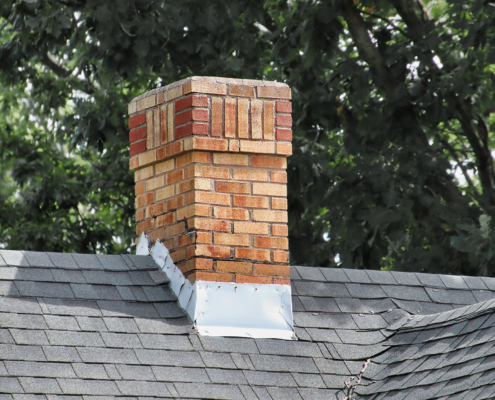
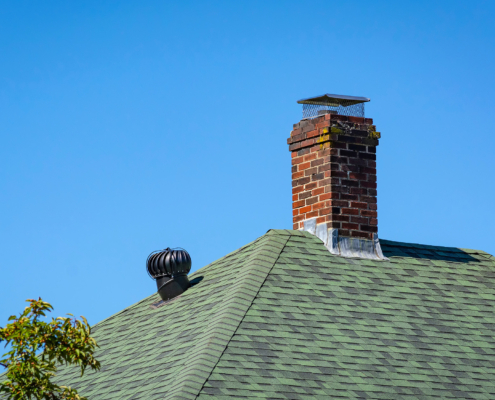
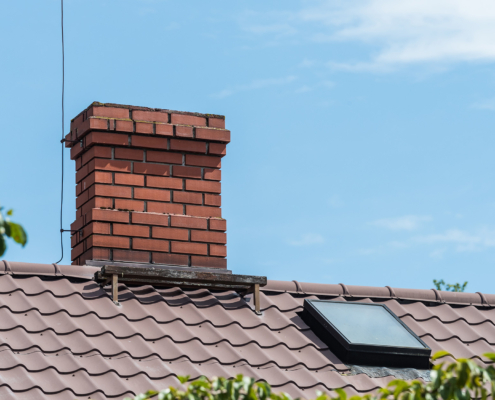
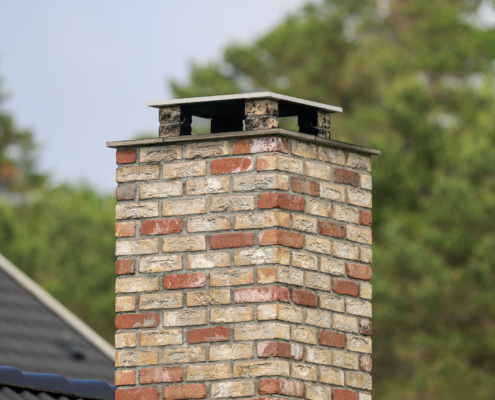
Chimneys are especially vulnerable to mortar deterioration because they are exposed to the elements year-round. Rain, wind, and temperature fluctuations gradually wear down mortar joints along the chimney stack.

When tuckpointing chimney damage begins to appear, homeowners may notice missing mortar, cracking along the stack, or water stains around the fireplace inside the home.

Because chimneys sit above the roofline, even small mortar gaps can allow significant amounts of moisture to enter the structure. Repairing these joints early prevents water intrusion and helps maintain proper chimney stability.

If you’ve noticed cracks, loose bricks, or deteriorating mortar around your home or chimney, it may be time for professional tuckpointing services. Contact Approved Home Improvements today to schedule an inspection and protect your masonry before the damage spreads.

How Often Should Tuckpointing Be Done?

In most cases, properly completed tuckpointing can last anywhere from 20 to 30 years. However, the exact lifespan depends on several factors, including the local climate, the quality of the original masonry work, and the amount of moisture exposure around the home.

In areas like St. Louis, where freeze-thaw cycles are common, mortar joints may wear down more quickly than in warmer climates. Regular masonry inspections every few years can help identify when tuckpointing repairs are necessary.

Why Waiting Too Long Can Be Expensive

Many homeowners delay masonry repairs because the damage seems minor. Unfortunately, deteriorating mortar can quickly lead to much larger problems.

Once water enters the masonry structure, it can begin breaking down both mortar and brick. Over time, this may lead to brick spalling, interior moisture damage, chimney instability, and even structural wall issues.

Tuckpointing services are designed to stop this process early. By repairing mortar joints before major deterioration occurs, homeowners can avoid costly reconstruction later.

Professional vs DIY Tuckpointing

While some minor masonry repairs may appear simple, proper tuckpointing requires specialized tools and experience. Professionals must carefully remove old mortar to the correct depth, select the appropriate mortar mixture for the existing brick, and apply the new material in a way that protects the surrounding masonry.

Improper repairs can actually trap moisture or weaken the brick surface, creating additional problems over time. For this reason, professional tuckpointing services are usually the safest and most effective approach for long-term masonry protection.

Warning Signs Appear Slowly

Mortar deterioration rarely happens overnight. In many homes, the warning signs appear slowly and quietly: small cracks, white staining, or mortar joints that begin to crumble.

By paying attention to these early signals, homeowners can schedule tuckpointing services before significant structural damage occurs. Proactive repairs not only protect the integrity of the home but also extend the lifespan of the masonry itself.

Don’t Wait for the Damage to Spread

If your brickwork or chimney is showing signs of wear, don’t wait for the damage to spread. The team at Approved Home Improvements provides professional tuckpointing services that restore mortar joints and protect your home’s structure.

Reach out today to schedule an inspection and keep your masonry strong for years to come.

More Like This

Background of old red brick wall
Brick Tuckpointing Can Protect Your Home From Water Damage and Mold
Brick chimney and metal vent on a house shingled roof in Boston, USA
How Long Does Tuckpointing Last on a Chimney?
A chimney on a roof with snow on it
Request a Free Chimney Quote