How to Tell If You Have Storm Damage

Storms can be brutal, unpredictable, and incredibly destructive. While we often think of roof shingles or siding as the first casualties of severe weather, chimneys are also highly susceptible to damage, especially those made of brick or mortar. Because chimneys sit high above the roofline, they take the brunt of wind, rain, hail, and debris. Knowing how to tell if you have storm damage is critical to protecting your home from more costly structural issues down the road.
In this comprehensive guide, we’ll walk you through the most common signs of storm damage to your chimney, the dangers of delaying repairs, and the repair methods available, especially for issues like chimney tuckpointing storm damage and chimney brick repair after storm events. We’ll also cover why regular weather damage chimney inspections are essential for long-term peace of mind.

Why Storms Are So Damaging to Chimneys

Chimneys are particularly vulnerable during storms due to their position, construction, and exposure. Whether your chimney is made of brick, stone, or stucco, each material reacts differently to weather extremes:

  • High winds can dislodge mortar joints and loosen bricks.
  • Hail can chip surfaces, crack masonry, and damage flashing.
  • Heavy rainfall can saturate mortar and cause leaks.
  • Freezing and thawing cycles can lead to expansion and contraction that weakens joints.

Without routine inspections, minor wear can go unnoticed until a major storm amplifies the issue. Over time, these problems can compromise the structural integrity of your chimney and cause interior damage to your home.

Signs You Might Have Storm Damage

Even if you don’t notice visible debris or destruction right after a storm, that doesn’t mean your chimney is safe. Here are the telltale signs that you may need a professional weather damage chimney inspection:

1. Cracked or Missing Bricks

One of the most obvious indicators of storm damage is missing or cracked bricks. If bricks appear chipped, discolored, or have fallen to the ground, it’s a clear sign your chimney has taken a hit.

2. Damaged or Missing Mortar

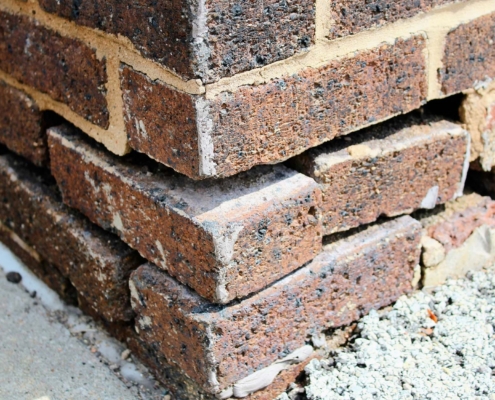
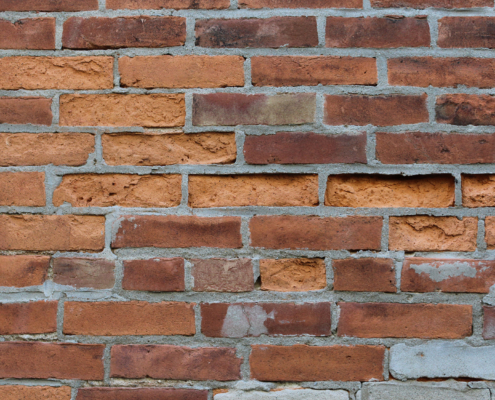
High winds and water can erode the mortar that holds bricks together. If you see gaps between bricks or crumbling joints, chimney tuckpointing storm damage may be necessary to restore stability.

3. Rust or Water Stains Inside the Home

Leaks or water stains near the fireplace, ceiling, or surrounding walls can indicate moisture intrusion caused by compromised flashing or cracked masonry.

4. Tilting or Leaning Structure

If your chimney appears to be leaning or pulling away from the roofline, this could be the result of foundational shifts from prolonged water exposure or wind pressure.

5. Flashing Displacement

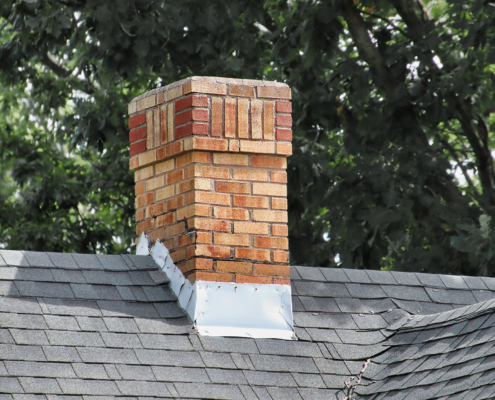
Flashing is a critical barrier between the chimney and the roof. If it becomes bent, cracked, or pulled away during a storm, water can easily seep into your attic or walls.

6. Chimney Cap or Crown Damage

The chimney cap and crown help keep water, debris, and animals out. If either is cracked or missing, moisture can enter the flue and cause widespread damage over time.

7. Interior Odors or Smoke Backdrafts

Unusual odors, mildew smells, or smoke backing into the house may indicate water damage inside the flue, which could lead to dangerous blockages or mold.

Why You Shouldn’t Wait to Address Chimney Storm Damage

Delaying repairs, even for what seem like minor issues, can lead to:

  • Masonry deterioration that spreads across your structure
  • Compromised air quality from mold or mildew buildup
  • Fire hazards from blocked or damaged flue liners
  • Costly interior water damage that impacts walls, ceilings, and insulation
  • Higher utility bills due to air leaks and inefficiency

Timely chimney brick repair after a storm protects your home from more expensive repairs down the road and keeps your family safe.

Many types of chimney repairs can be implemented to keep your masonry functional.

Repair Options for Storm-Damaged Chimneys

Depending on the extent of the damage, a chimney professional may recommend a variety of repairs. These include:

Chimney Tuckpointing

Tuckpointing involves removing damaged or deteriorated mortar and replacing it with new, watertight mortar. This is essential when joints have eroded due to storm damage, as it restores the chimney’s strength and appearance.

Brick Replacement

For bricks that are cracked or missing, targeted removal and replacement are necessary. A skilled mason can match new bricks with existing ones to maintain your chimney’s look and function.

Flashing Repair or Replacement

If flashing has shifted or deteriorated, it should be resealed or replaced to prevent future leaks.

Chimney Crown or Cap Restoration

A new crown or cap will protect your flue from water intrusion, debris, and animals. This can prevent internal moisture damage and prolong the lifespan of your chimney.

Full Chimney Rebuild

In severe cases where the structure has been extensively compromised, a partial or full rebuild may be the safest option. This ensures the entire system is sound and up to code.

The Importance of Regular Weather Damage Chimney Inspection

Even if you don’t suspect immediate issues, scheduling a professional inspection at least once a year is vital. This is especially true after a major storm. Here’s why:

  • Early detection of minor issues can prevent bigger problems.
  • Moisture mapping tools can detect hidden water infiltration.
  • Safety assessments ensure the flue and firebox are safe for use.
  • Insurance documentation can help if you need to file a claim.

Experienced chimney professionals will conduct a full top-to-bottom evaluation, identifying not just cosmetic issues but hidden structural vulnerabilities.

Preventing Future Storm Damage

Identifying storm damage quickly is one of the best ways to avoid long-term chimney problems. Even subtle signs like tiny cracks in the brick or faint discoloration can be early warnings of bigger issues. If you’ve recently experienced a heavy storm or suspect damage, don’t wait for obvious symptoms to develop. Early detection can save you from structural issues, smoke drafts, or extensive water intrusion. It’s also important to document any damage as soon as possible for insurance purposes. An experienced contractor can help you evaluate the full extent of the impact and recommend the most appropriate repair plan.

While you can’t prevent storms, you can take steps to minimize the risk of damage:

  • Trim overhanging branches near your chimney
  • Install or maintain a high-quality chimney cap
  • Seal masonry with a breathable water repellent
  • Monitor flashing and caulking for wear
  • Check for signs of damage after every major storm

Regular upkeep not only extends the life of your chimney but also ensures your home remains safe and efficient in every season.

Your Trusted Partner for Chimney Repairs After Storms

At AHI Construction, we know that storm damage can be stressful. It doesn’t always show up right away. That’s why we’re committed to helping homeowners throughout the St. Louis area protect their property with expert care and craftsmanship.

We offer:

  • Comprehensive weather damage chimney inspections
  • Professional tuckpointing for storm-damaged chimneys
  • Chimney brick repair after storms and extreme weather
  • Flashing and chimney cap replacement
  • Full or partial chimney rebuilds when needed

We’re local, experienced, and passionate about preserving the safety and value of your home. If you suspect your chimney has suffered storm damage, we’re ready to step in with honest recommendations and long-lasting solutions. Let’s restore your peace of mind and keep your chimney ready for any weather. Contact AHI Construction today for an expert assessment.

More Like This

Background of old red brick wall
Brick Tuckpointing Can Protect Your Home From Water Damage and Mold
Quiet Signs Your Home Needs Tuckpointing Services
new roof and house under construction
Request a Free Chimney Quote