Why You May See Signs of Chimney Deterioration
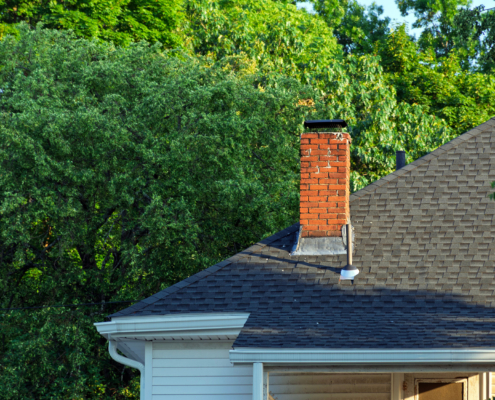
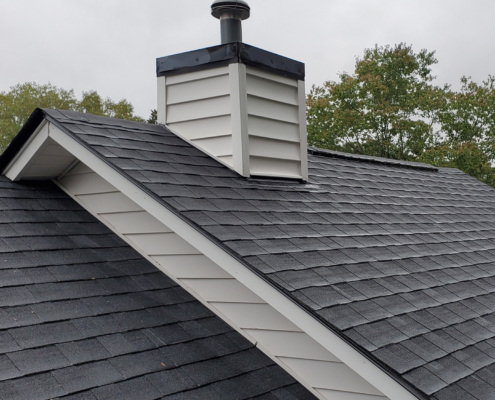
Chimneys are exposed to weather year-round, which slowly wears down materials like brick and mortar. Rain, snow, and temperature swings can cause cracks and water damage. UV rays from the sun dry and weaken the outer surfaces, while wind can blow in debris or damage parts of the structure. In polluted areas, acid rain and chemicals in the air can speed up decay. These problems are often made worse by age and lack of maintenance. Small cracks can turn into big issues if ignored. Spotting signs of chimney deterioration early helps prevent major damage.
How UV Rays Break Down Masonry
Sunlight breaks down the surface of bricks and mortar, making them brittle and more likely to crack. This makes it easier for water to get in and cause further damage.
The Impact of Wind and Debris
High winds can knock off chimney caps or blow debris into the flue. Falling branches may damage bricks or flashing, especially during storms.
Acid Rain and Air Pollution
Polluted rain and dirty air can wear away the surface of the chimney, causing it to break down faster than normal.
How Weather Affects Chimney Longevity
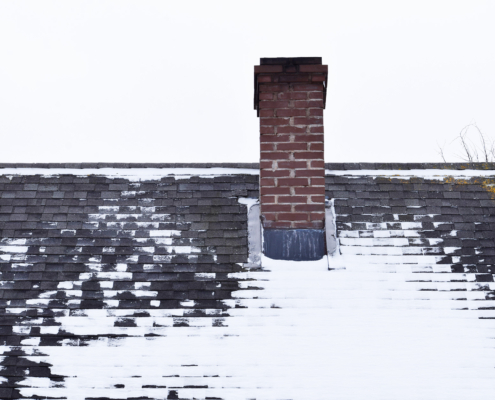
In places like St. Louis, freezing winters and humid summers cause bricks and mortar to expand and contract. This weakens the structure over time. Water that gets inside can freeze and expand, leading to cracks and crumbling bricks. Storms can also damage caps and flues. Staying ahead with regular inspections helps reduce these risks.
Signs of Chimney Deterioration You Shouldn’t Ignore
Recognizing chimney damage signs early allows for quicker, more affordable repairs. Here are several indicators that your chimney may need attention:
Cracked or Missing Mortar
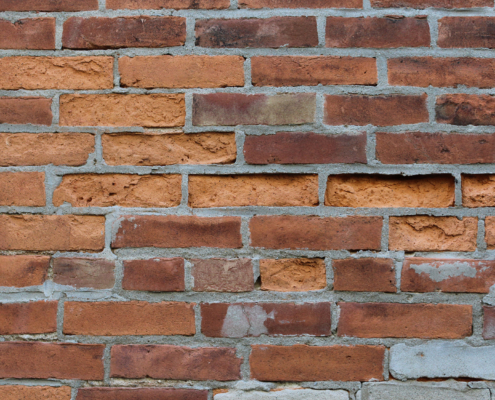
Mortar joints that are cracked, crumbling, or missing altogether weaken the chimney’s structural stability. Moisture can enter through these gaps, speeding up brick damage and creating internal hazards. If you notice gaps or loose bricks, consult a masonry specialist.
Spalling Bricks
Spalling occurs when the face of a brick peels or flakes off due to moisture penetration. It often appears after harsh winters and looks like bricks are crumbling or breaking apart. If untreated, spalling can lead to major brick failure and require full reconstruction of chimney sections.
Efflorescence (White Staining)
Efflorescence is a white, chalky deposit on brick surfaces caused by salt and mineral deposits left behind by evaporating water. While not dangerous on its own, it indicates that water is moving through the masonry, which could mean leaks or failing waterproofing systems.
Rust on Fireplace Components
Rust on the damper, firebox, or any metal components indicates water intrusion. Over time, this can affect how well your fireplace vents smoke and gases. Left unchecked, rust can corrode key components and increase the risk of fire or carbon monoxide leaks.
Leaning or Shifting Chimney
A leaning chimney is a serious structural issue. It may be caused by foundation settling, eroded mortar joints, or water damage. If your chimney appears to tilt, separate from the siding, or display large cracks, professional evaluation is urgent to prevent collapse.
Unusual Odors
Strange odors such as mustiness, burning smells, or even rotten odors coming from your fireplace when it’s not in use can signal moisture buildup, mold growth, or excess creosote. These conditions often require cleaning or repairs to address underlying problems.
How to Inspect Your Chimney Safely
Homeowners can conduct basic visual inspections, ideally twice a year—once before the heating season and once after winter. Here’s how to check for signs of chimney deterioration safely:
- Use binoculars from the ground to spot cracks, leaning, missing bricks, or damaged caps
- Inspect the interior of the firebox and damper for rust, corrosion, or soot buildup
- Look for efflorescence or water stains on the exterior
- Check the chimney crown and flashing for signs of cracking or separation
However, many issues aren’t visible without special tools. That’s where professionals come in.
Why Timely Repairs Matter
Delaying chimney repairs and ignoring signs of chimney deterioration often results in more extensive and expensive problems. Water infiltration can damage not just the chimney but the home’s roof, attic, and walls. In severe cases, chimney failure could lead to partial collapses or house fires.
Timely maintenance preserves the function, value, and safety of your home. It also helps ensure proper airflow, efficient heating, and compliance with insurance requirements. Taking care of minor issues now helps avoid major repairs later.
When It’s Time to Call a Chimney Repair Specialist
Some chimney problems are beyond a DIY fix. If you notice any of the following, schedule an evaluation right away:
- Structural leaning or large exterior cracks
- Bricks are crumbling or falling off
- Water is pooling inside the fireplace
- Rust on metal components
- Smoke backing up into the home
- Odors, nests, or animals inside the chimney
Professional masons and chimney technicians have the training, tools, and safety equipment to make lasting structural chimney repairs.