Everything You Need to Know About Stucco Chimney Storm Damage

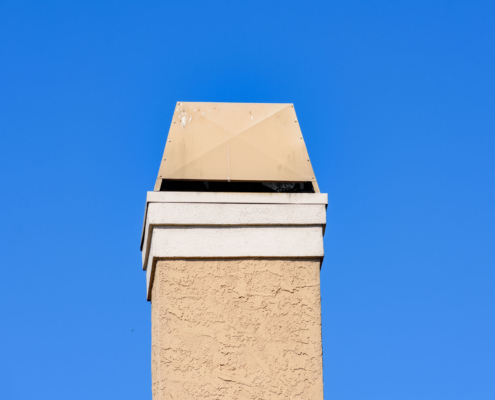
Stucco chimneys bring charm, elegance, and architectural distinction to homes across the country. With their textured finish and classic appearance, they complement both modern and traditional styles alike. However, while they may appear sturdy on the outside, stucco chimneys are not immune to the brutal forces of Mother Nature. Storms, in particular, can wreak havoc on these chimneys, leading to a wide range of issues that compromise both beauty and functionality.
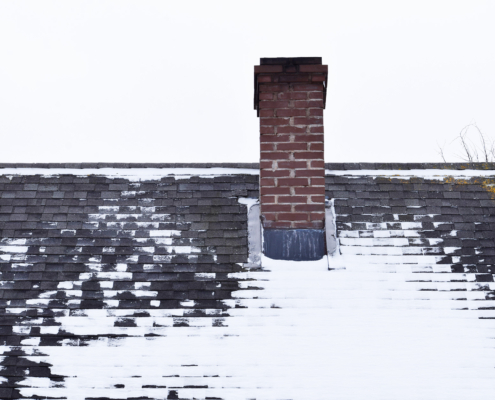
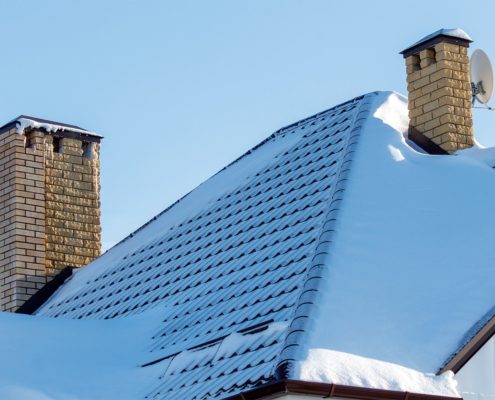
When heavy rain, snow, hail, or high winds roll in, your chimney is left exposed at the highest point of your home. This makes it especially vulnerable to storm damage. Without regular inspection and timely maintenance, minor surface imperfections can spiral into major structural failures. Moisture, wind-driven debris, freezing temperatures, and thermal expansion can all take their toll, sometimes in ways that go unnoticed until it’s too late.

Understanding the causes, signs, and solutions for stucco chimney storm damage is crucial for protecting your investment. This in-depth guide explores the vulnerabilities of stucco chimneys, how storm damage manifests, and the most effective repair and prevention strategies available to homeowners today.

Why Stucco Chimneys Are Vulnerable to Storm Damage

Stucco is a popular exterior finish that consists of a mixture of cement, sand, and lime, typically applied over a metal lath or masonry base. It provides a durable, fire-resistant coating that can last for decades when installed properly. However, its porous nature means that stucco can absorb water. In stormy climates or after years of exposure, this absorption becomes a liability.

Moisture Infiltration

Prolonged exposure to rain and snow allows water to infiltrate the stucco surface, especially if cracks have developed due to age or shifting. Once water gets underneath, it can compromise the bond between the stucco and the underlying material.

Wind-Driven Rain and Debris

Powerful storms don’t just bring precipitation—they often involve wind that drives water deep into crevices and beneath flashing. Debris carried by strong gusts can chip or crack the chimney’s surface, further opening it to moisture intrusion.

Hail and Ice Damage

Hailstones can be especially damaging to stucco chimneys. Even small hail can create impact marks or spiderweb-like cracks. If water infiltrates and freezes during colder months, the resulting expansion can split and detach large sections of stucco.

Thermal Movement

Stucco expands and contracts with temperature changes. In areas with fluctuating weather conditions, this can lead to stress fractures. If these aren’t repaired promptly, water can seep in and begin to undermine the structural integrity of the chimney.

All of these factors work together to weaken the chimney from the outside in, increasing the need for frequent inspection and timely repair.

Common Signs of Stucco Chimney Storm Damage

Sometimes, storm damage is easy to spot. Other times, it lurks beneath the surface for months or years.

To avoid long-term problems, it’s important to be aware of these common warning signs:

1. Cracking and Surface Degradation

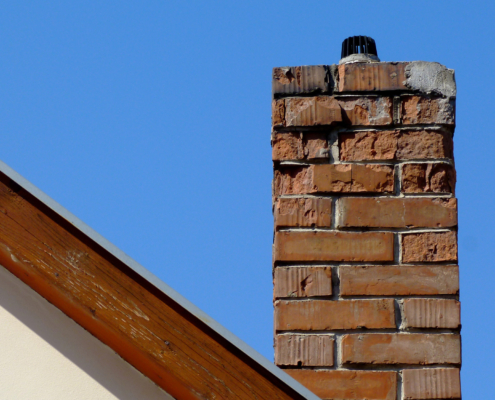
Small hairline cracks might seem harmless, but are often the first indication of deeper issues. As water gets into these openings, it can cause bulging, crumbling, or flaking stucco. Over time, this can result in extensive delamination of the surface.

2. Discoloration and Staining

Yellow, brown, or green stains typically indicate water intrusion. These can form long streaks or blotchy patches, especially after a heavy rainstorm. Staining is a clear signal that water is making its way beneath the surface and possibly reaching the internal components.

3. Soft Spots and Hollow Areas

If tapping on the stucco results in a hollow sound, the material may be detached from the chimney base. Soft spots are also a sign of underlying moisture damage or decay.

4. Missing or Dislodged Material

During particularly violent storms, entire sections of stucco can be knocked loose. This leaves the chimney looking unsightly and exposes vulnerable areas to the elements.

5. Interior Water Issues

If you notice water spots, mildew, or musty odors near your fireplace, that’s a red flag. Moisture may have infiltrated through the chimney and spread into nearby walls or ceilings.

6. Structural Movement

If the chimney is leaning, bulging, or showing signs of separating from the house, it may have experienced storm-induced structural damage. This is a serious hazard requiring immediate intervention.

Discover the role of professional stucco chimney maintenance in St. Louis, ensuring safety and aesthetic appeal for your property.

The Dangers of Ignoring Storm Damage to a Chimney

Some homeowners make the mistake of delaying chimney inspections or putting off needed repairs, thinking the damage is cosmetic. Unfortunately, small issues quickly snowball into much bigger problems when left untreated:

  • Escalating Structural Damage: Persistent moisture weakens mortar, deteriorates brick, and compromises the stucco exterior, leading to widespread degradation.
  • Chimney Fires: A cracked flue liner or missing chimney cap can allow embers or combustible material to collect and ignite.
  • Increased Utility Bills: Chimney damage can result in poor insulation and draft issues, making heating and cooling systems work harder.
  • Interior Water Damage: Water infiltration can ruin drywall, flooring, and insulation, driving up restoration costs.
  • Health Hazards: Mold and mildew, both common with unchecked water entry, can cause respiratory problems and allergic reactions.
  • Lower Property Value: A visibly damaged chimney diminishes curb appeal and can raise red flags for prospective buyers.

Stucco Chimney Repair After Storm Damage

The approach to chimney repair depends heavily on the severity and type of damage.

Here are some of the most effective techniques used by professionals to resolve stucco chimney storm damage:

1. Sealing Cracks

For minor issues, high-quality elastomeric sealants or stucco-compatible caulks can be applied to prevent moisture entry and restore a smooth surface.

2. Targeted Stucco Patching

Moderate damage can be addressed by cutting away the affected areas, applying new stucco in layers, and blending it to match the original texture and color.

3. Full Re-Stucco Application

Severe damage may require a full resurfacing. This process involves removing all compromised stucco, assessing the underlying substrate, and applying fresh coats for a seamless, reinforced finish.

4. Flashing and Waterproof Barrier Updates

Roofline flashing must be properly sealed and aligned to prevent leaks. Experts may also apply a breathable moisture barrier under the stucco layer for added protection.

5. Cap, Flue, and Crown Restoration

The chimney crown and cap are vital components for moisture defense. Repairing or replacing these elements ensures proper water runoff and prevents internal damage.

6. Professional Waterproofing

After repairs, a penetrating water repellent can be applied. Unlike paints or coatings, these treatments allow moisture inside the chimney to escape while preventing new water from entering.

When to Call a Professional

DIY repairs may seem cost-effective at first, but they rarely address the full scope of storm damage. A professional chimney contractor brings the right tools, training, and experience to ensure long-lasting results. Consider calling in a pro if:

  • You’re unsure of the extent of the damage
  • There’s evidence of interior water leaks or mold
  • The stucco has extensive cracking, bulging, or detachment
  • You notice chimney leaning, instability, or shifting

An expert can also provide a comprehensive inspection report for insurance claims, saving you time and stress.

Your Trusted Partner for Stucco Chimney Repair

When storm damage affects your stucco chimney, we understand how stressful it can be—and we’re here to help. At AHI Construction, we specialize in restoring storm-damaged chimneys with expert craftsmanship and personalized care. Our team is passionate about delivering results that not only repair the damage but also enhance the overall resilience and appearance of your chimney.

We offer:

  • In-depth chimney inspections using advanced diagnostic tools
  • Professional stucco crack repair and seamless re-application techniques
  • Complete chimney rebuilds or stucco resurfacing as needed
  • Chimney cap and crown installation or replacement
  • Custom waterproofing solutions built for your climate

Let’s work together to make your stucco chimney strong, secure, and storm-ready. Contact AHI Construction today for a detailed evaluation and trusted stucco chimney storm damage solutions.

More Like This

new roof and house under construction
Brick chimney and metal vent on a house shingled roof in Boston, USA
Recognizing the Signs of Chimney Deterioration Before It's Too Late
Stucco Chimney Repair vs. Tuckpointing: Which Is Right for Your Home
Request a Free Chimney Quote