Stucco Chimney Repair vs. Tuckpointing: Which Is Right for Your Home?

When your chimney starts showing signs of wear, knowing the right type of repair can save you time, money, and future headaches. Comparing stucco chimney repair vs. tuckpointing is often recommended because each option serves different purposes. Understanding how they work and when each one is appropriate can help you make the best choice for your home.
Understanding the Basics of Chimney Repair

Before diving into comparisons, it’s important to understand what these repairs are, how they work, and what types of chimney issues they’re designed to address. Knowing the purpose behind each method will help you better evaluate which one aligns with the condition of your chimney, the materials used in its construction, and your long-term maintenance goals. A clear understanding of the basics ensures that your decisions are informed, practical, and suited to your home’s unique needs.

What Is Stucco Chimney Repair?

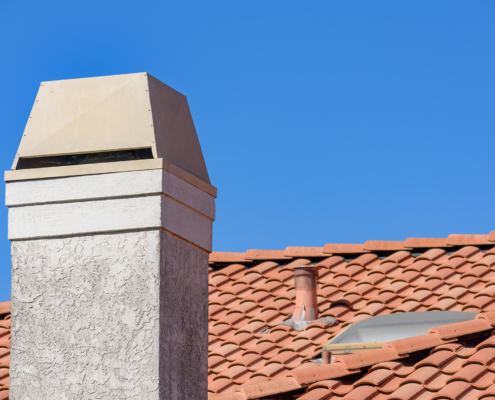
Stucco chimney repair involves applying a durable cement-like coating to the outside of the chimney. This layer provides a protective barrier that can improve the appearance of your chimney and seal out moisture.

Stucco chimney repair is commonly used when:

  • The brick underneath is structurally sound but unsightly
  • There are surface cracks or minor spalling
  • Moisture protection is needed

It’s popular for homeowners who want a clean, modern look while protecting their chimney.

What Is Tuckpointing?

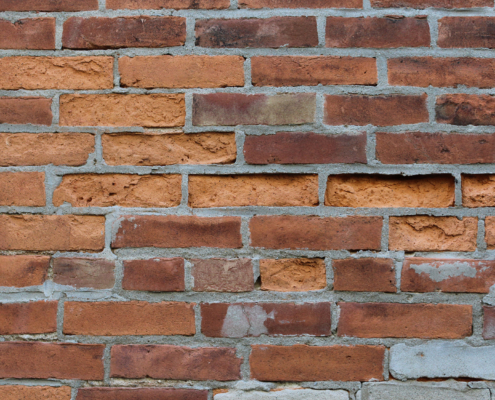
Tuckpointing is a masonry repair method in which deteriorating mortar between bricks is removed and replaced with fresh mortar. This process strengthens the chimney’s structural integrity and restores its original appearance.

Tuckpointing is ideal when:

  • Mortar joints are cracked, crumbling, or missing
  • Bricks are still in good shape
  • The chimney needs reinforcement to prevent water intrusion

Both methods have their place, but knowing the condition of your chimney is key to determining which one is right.

Signs Your Chimney Needs Repair

Recognizing damage early can help you decide between stucco chimney repair and tuckpointing before the problem worsens.

Some common signs include:

  • Cracks or gaps in mortar
  • Surface flaking or crumbling
  • Water stains or discoloration
  • Visible shifting or leaning
  • Peeling paint on walls near the chimney (a sign of moisture issues)

If your chimney is showing any of these signs, it’s time to call a professional for an inspection. They’ll be able to tell you whether stucco or tuckpointing is the better fit.

Comparing Stucco Chimney Repair vs. Tuckpointing

Now that we’ve defined each method and outlined when each is typically used, it’s time to take a closer look at how they stack up against one another. When comparing stucco chimney repair vs. tuckpointing, it’s important to consider key factors such as application method, structural impact, durability, and visual effect. You can make a more confident, informed decision about which repair best suits your chimney’s needs and your home’s long-term value.

Materials and Application

Stucco chimney repair uses a cement-based finish applied over the existing surface. It can be smoothed, textured, and even painted to match your home’s style. It acts as a new layer over the bricks.

Tuckpointing, on the other hand, works within the existing masonry. It involves removing and replacing mortar, making it a more detailed and labor-intensive process that targets the structure, not just the surface.

Purpose and Function

Stucco chimney repair is often cosmetic and protective. It can seal hairline cracks, reduce moisture entry, and give your chimney a uniform appearance.

Tuckpointing is structural. It preserves the strength of the chimney and stops water from penetrating through weakened joints. It’s not about looks—it’s about longevity and performance.

Longevity and Durability

Stucco can last 20–30 years when applied properly, depending on the climate and upkeep. However, the stucco can crack or detach if moisture gets behind it.

When done with high-quality mortar, tuckpointing lasts 25+ years. It maintains the original breathability and durability, especially in freeze-thaw climates.

In short, stucco chimney repair vs. tuckpointing depends on whether your chimney needs a cosmetic facelift or a structural fix.

How to Choose the Right Chimney Repair for Your Home

Choosing between stucco chimney vs tuckpointing depends on the material of your chimney and its condition.

Here are a few things to consider:

  • Brick condition: Tuckpointing is your best bet if the bricks are solid and the issue is just the mortar.
  • Surface damage: If the damage is mostly on the outer layer or you want to refresh the look, stucco might be better.
  • Budget and time: Stucco repairs are often faster and may cost less up front, but tuckpointing offers more long-term structural value.

If you’re still torn between stucco chimney repair and tuckpointing, an evaluation from a professional expert can help you avoid making a mistake that costs you more later.

 Get the safest, most effective chimney repair and tuckpointing from Approved Home Improvements.

Pros and Cons of Each Repair Method

Every repair option has strengths and limitations; understanding both is key to making the right decision for your chimney. By taking a closer look at the pros and cons of each method, you can better determine which solution aligns with your priorities—aesthetics, structural integrity, ease of maintenance, or long-term value. Below is a breakdown highlighting the distinct advantages and trade-offs of stucco chimney repair and tuckpointing, helping you gain clarity and confidence in your next steps.

Stucco Chimney Repair

This method creates a protective and attractive surface layer that shields your chimney from water damage and wear.

Pros:

  • Improves appearance
  • Adds a waterproof barrier
  • Fast application process
  • Can hide surface imperfections

Cons:

  • Doesn’t fix deeper structural issues
  • May trap moisture if not properly applied
  • Needs periodic sealing or repainting

Tuckpointing

This method is focused on restoring the chimney’s strength and integrity by addressing deteriorated mortar joints between bricks.

Pros:

  • Strengthens the chimney structure
  • Stops moisture from entering joints
  • Preserves the traditional brick look
  • Long-lasting when done right

Cons:

  • More labor-intensive
  • Can be more expensive
  • Doesn’t improve aesthetics as dramatically

Whether you lean toward stucco or tuckpointing depends more on looks than longevity.

Visualize Repairs With Real-Life Scenarios

Here are a few practical examples to help you visualize what each repair might look like in the real world. These scenarios reflect common issues homeowners face and how either stucco chimney repair or tuckpointing can resolve them based on the condition and needs of the chimney. By considering what’s happening with your chimney, you’ll be able to relate to one of these situations and better understand which solution may be the right fit.

  • Scenario 1: You have a 1960s home with an original brick chimney starting to flake and discolor. The structure is stable, but it looks outdated. In this case, stucco chimney repair is a great option to refresh its appearance and add protection.
  • Scenario 2: You live in an older home with deep cracks between bricks and visible mortar loss. Water has started leaking in during heavy rain. This calls for tuckpointing to restore strength and stop the leaks.
  • Scenario 3: Your chimney is in decent shape, but you want to modernize your home’s curb appeal. A textured stucco finish gives you a sleek, updated look with minimal disruption.

These examples show how different problems require different solutions—and why it’s smart to work with pros who understand both.

Recapping the Benefits of Stucco Chimney Repair vs. Tuckpointing?

There’s no one-size-fits-all answer in the stucco chimney repair vs. tuckpointing debate. Both are useful, but they solve different problems. Stucco is ideal for surface fixes and visual improvements, while tuckpointing is the go-to for structural integrity and long-term durability.

If you’re unsure, don’t guess. A professional inspection can pinpoint the exact issue and help you confidently move forward.

Strengthen Your Chimney With Approved Home Improvements

At Approved Home Improvements, we know that chimney issues go beyond appearances. That’s why we offer both tuckpointing and stucco chimney repair, ensuring your home gets the right solution, not just a temporary fix. With over 30 years of experience serving St. Louis, our team delivers dependable, long-lasting repairs tailored to your chimney’s unique needs. Contact us today and see how our chimney services can restore your chimney’s safety, function, and curb appeal.

More Like This

new roof and house under construction
Brick chimney and metal vent on a house shingled roof in Boston, USA
Recognizing the Signs of Chimney Deterioration Before It's Too Late
Request a Free Chimney Quote