How Long Does Tuckpointing Last on a Chimney?

If your chimney has undergone tuckpointing, you might be wondering how long those repairs will last. While tuckpointing restores the strength and appearance of mortar joints, its longevity depends on various factors, including weather exposure, the quality of materials used, and how well your chimney is maintained. Unlike other brick structures, chimneys face unique challenges—constant exposure to the elements, fluctuating temperatures, and the effects of heat from fires.
So, how often does chimney tuckpointing need to be redone? What can you do to extend its lifespan? Let’s break it all down.

What Is Chimney Tuckpointing? (And Why Does It Matter?)

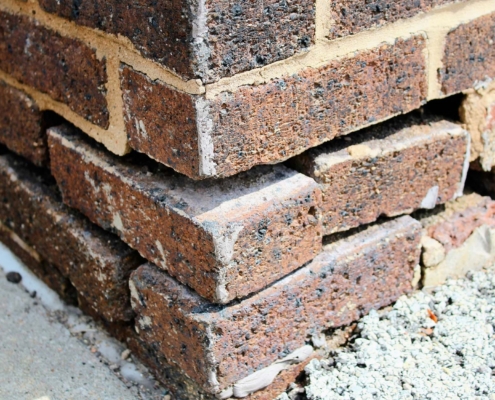
Tuckpointing is the process of removing and replacing deteriorating mortar joints in a chimney. Over time, the mortar that holds your chimney’s bricks together can break down due to moisture, extreme temperatures, and general aging. If left unaddressed, crumbling mortar can cause serious structural problems, including water leaks, brick displacement, and, eventually, chimney failure.

Unlike simple brick repointing, chimney tuckpointing is a more involved process that restores both the integrity and aesthetic appeal of your chimney. If you’re unfamiliar with how tuckpointing works, check out our in-depth guide on what tuckpointing is and why it’s important.

How Often Does a Chimney Need Tuckpointing?

Wondering how long tuckpointing lasts? On average, tuckpointing lasts 20 to 30 years under ideal conditions. However, chimneys are more exposed to weather and temperature changes than other parts of a home, meaning they often need tuckpointing sooner—sometimes within 10–15 years.

Factors that affect how often tuckpointing is needed include:

  • Weather Exposure: Chimneys take a beating from rain, snow, ice, and wind, which wears down mortar faster than in other brick structures.
  • Quality of Previous Tuckpointing Work: If the last tuckpointing job was done improperly or with mismatched mortar, it may deteriorate more quickly.
  • Moisture Levels: Water is the #1 enemy of chimney mortar. Poor drainage, a missing chimney cap, or cracks in the crown can accelerate mortar erosion.
  • Chimney Usage: Frequent use of the fireplace can contribute to chimney wear and tear, especially if there are draft or ventilation issues.

Even if your chimney isn’t visibly crumbling, regular inspections can help determine when it’s time for tuckpointing again.

What Affects the Durability of Chimney Tuckpointing?

Not all tuckpointing jobs are created equal. The lifespan of chimney tuckpointing depends on several factors:

Constant Exposure to the Elements

Unlike brick walls, which are somewhat shielded from the weather, chimneys stand alone and are fully exposed to rain, snow, and high winds. This continuous exposure speeds up the deterioration of mortar joints, especially in areas with freeze-thaw cycles.

When water gets into the mortar, it expands as it freezes, causing cracks to grow. Over time, this repeated process leads to crumbling and weakened joints. Homes in colder climates often require chimney tuckpointing more frequently than those in milder regions.

The Type and Quality of Mortar Used

Using the right mortar mix is crucial for a long-lasting repair. If the new mortar isn’t compatible with the existing brick and masonry, it won’t bond correctly and will deteriorate faster. Older chimneys, especially those built before the 20th century, require specific mortar types that allow for flexibility and breathability.

That’s why professional tuckpointing services ensure the mortar is properly matched to your chimney’s age and material.

Workmanship and Precision

A properly done tuckpointing job should seamlessly blend with the existing brickwork and hold up against the elements. If the work is rushed, uneven, or done without removing the damaged mortar properly, the results won’t last nearly as long.

Signs of low-quality tuckpointing include:

  • Uneven mortar lines
  • Mismatched mortar color
  • Gaps or incomplete filling in the joints
  • Investing in high-quality workmanship can mean the difference between tuckpointing that lasts for 10 years versus 30.

How to Tell If Your Chimney Needs Tuckpointing Again

Chimney mortar may not always show obvious signs of deterioration, but a quick inspection can reveal if it’s time for repairs. Here’s what to look for:

  • Cracked or Missing Mortar: If the mortar is visibly breaking apart or falling out between the bricks, tuckpointing is needed soon.
  • Loose or Shifting Bricks: Weak mortar can cause bricks to become unstable or shift, creating a safety hazard.
  • Water Leaks or Moisture Damage: Stains on your interior walls near the chimney, mold growth, or water inside your firebox can indicate mortar failure.
  • White Powdery Residue (Efflorescence): This is a sign that moisture is seeping through the brickwork and evaporating, leaving behind mineral deposits.

If you notice any of these signs, don’t wait—tuckpointing should be done before the damage worsens.

Need chimney tuckpointing that lasts? Contact Approved Home Improvements for expert masonry repair and restoration.

How to Make Chimney Tuckpointing Last as Long as Possible

A well-executed tuckpointing job should last for decades, but proper care and maintenance can extend its lifespan even further. Here’s how to protect your chimney’s mortar joints:

Schedule Regular Chimney Inspections

Having your chimney professionally inspected every 1–2 years can help catch mortar issues early before they turn into major problems.

Keep Moisture Out

Water is the biggest enemy of chimney mortar. To prevent premature deterioration:

  • Install a chimney cap to keep rain, snow, and debris from entering.
  • Ensure the chimney crown is intact to prevent water from seeping down the structure.
  • Fix flashing leaks where the chimney meets the roof.

Apply a Waterproof Sealant

A breathable masonry sealant can provide an added layer of protection against moisture without trapping it inside the chimney.

Maintain Proper Ventilation

Good airflow in your chimney helps prevent moisture buildup and reduces the stress on mortar joints from heat fluctuations. Make sure your damper is functioning properly and that your flue is clear.

Choose Skilled Professionals for Tuckpointing Work

Hiring experienced masons who specialize in chimney tuckpointing ensures that the right materials and techniques are used. This will directly impact how long the repair lasts.

Final Thoughts: Protecting Your Chimney for Decades

Tuckpointing is a critical part of chimney maintenance, but it’s not a one-and-done job. The lifespan of chimney tuckpointing depends on weather exposure, material quality, and ongoing maintenance.

By keeping moisture under control, scheduling regular inspections, and choosing experienced professionals for the work, you can extend the life of your chimney’s mortar joints and avoid costly repairs down the line.

If your chimney’s mortar is showing signs of deterioration, don’t wait until it becomes a major structural issue. Addressing tuckpointing needs early can save you thousands in future repairs.

Don’t Wait Until Damage Gets Worse—Reach Out Today

Your chimney’s longevity depends on expert care. If you suspect your mortar joints need attention, don’t wait until the damage worsens. Contact Approved Home Improvements today to schedule professional chimney tuckpointing and keep your chimney standing strong for decades.

More Like This

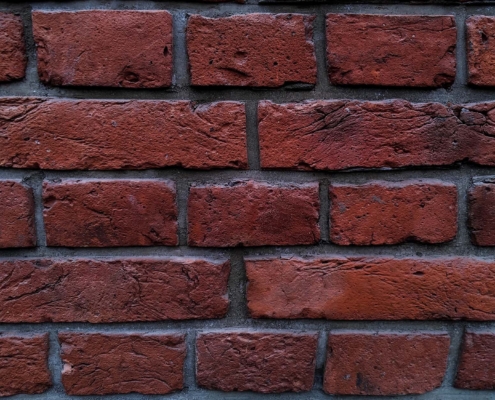
Background of old red brick wall
Brick Tuckpointing Can Protect Your Home From Water Damage and Mold
Quiet Signs Your Home Needs Tuckpointing Services
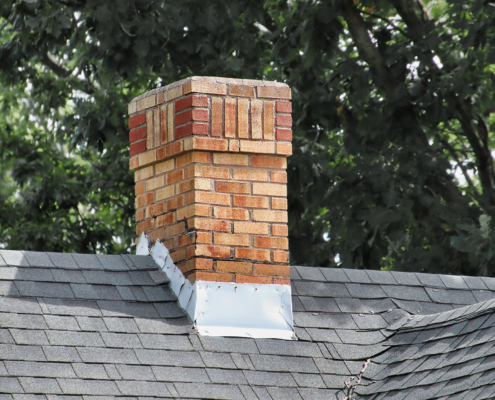
Brick chimney and metal vent on a house shingled roof in Boston, USA
A chimney on a roof with snow on it
Request a Free Chimney Quote