How Often Should You Have Your Chimney Inspected?

If you can’t remember the last time your home’s chimney was inspected, it might be overdue for a checkup. Many homeowners assume that if their fireplace looks fine, it must be safe—but hidden dangers like creosote buildup, blockages, or structural damage can pose serious risks. Regular chimney inspections help prevent fires, carbon monoxide leaks, and expensive repairs. In this guide, we’ll break down how often you should have your chimney inspected and why proactive maintenance is essential.
Why Chimney Inspections Matter

A chimney may seem like a simple structure, but it plays a crucial role in your home’s safety. Inspections are essential for:

You Prevent Chimney Fires

One of the biggest dangers of a neglected chimney is creosote buildup. Creosote is a highly flammable substance that accumulates inside the flue as a byproduct of burning wood. If it’s not cleaned out regularly, it can ignite and cause a dangerous chimney fire. Even a small fire inside the chimney can damage the liner, increasing the risk of future fires spreading to the rest of your home.

You’ll Avoid Carbon Monoxide Poisoning

A blocked or damaged chimney can lead to poor ventilation, allowing carbon monoxide (CO) to seep into your home. Carbon monoxide is an odorless, invisible gas that can cause dizziness, nausea, and, in severe cases, be fatal. Regular inspections ensure that your chimney is properly venting smoke and gases away from your home.

You Can Detect Structural Damage Early

Chimneys are constantly exposed to the elements—rain, snow, wind, and freezing temperatures. Over time, mortar can crack, bricks can shift, and chimney liners can deteriorate. Inspections help catch these issues early, preventing costly repairs down the road.

You Ensure Maximum Efficiency

A clean and well-maintained chimney allows your fireplace to burn fuel more efficiently. If your chimney is clogged or damaged, your fireplace may not produce as much heat, causing you to burn more wood or increase heating costs.

Now that you know why chimney inspections are important, let’s dive into how often they should be scheduled.

How Often Should You Schedule a Chimney Inspection?

The National Fire Protection Association (NFPA) recommends that all chimneys, fireplaces, and vents be inspected at least once a year—regardless of how often they’re used. However, depending on your specific situation, you may need inspections more frequently.

For Regular Fireplace Users: At Least Once a Year

If you use your fireplace regularly during colder months, a yearly inspection is a must. Frequent fires lead to faster creosote buildup and increased wear on the chimney components.

For Occasional Fireplace Users: Every 1-2 Years

If you only use your fireplace a few times a year—perhaps during the holidays or on particularly cold nights—you may not need an inspection as often. However, even occasional use can lead to moisture buildup, blockages, or animal nests forming inside the chimney, so it’s still important to have it checked every one to two years.

For Gas Fireplaces: Every Year

Many homeowners assume gas fireplaces don’t require regular inspections, but that’s not true. While gas produces less creosote, chimneys and vents can still become blocked by debris, corrosion, or even small animals. A professional inspection ensures the system is venting properly and remains in good condition.

After a Major Event: Immediately

Certain events warrant an immediate chimney inspection, including:

  • A chimney fire or signs of excessive creosote burning.
  • A severe storm, earthquake, or any impact that could have damaged the chimney structure.
  • Moving into a new home where you’re unsure of the chimney’s condition.

Skipping inspections for long periods may result in costly damage that could have been avoided with routine maintenance.

Make sure your chimney is safe and ready for use. Schedule a professional inspection with Approved Home Improvements today!

Signs Your Chimney Needs an Inspection ASAP

Even if your fireplace seems to be working fine, there are a few warning signs that indicate you should schedule an inspection as soon as possible.

Sign #1: Excessive Creosote Buildup

If you notice a thick, tar-like substance coating the inside of your chimney, that’s creosote—one of the leading causes of chimney fires. It should be removed before you continue using your fireplace.

Sign #2: Smoke Entering Your Home

A properly functioning chimney should vent smoke out of your home. If smoke is backing up into your living space, it could be due to a blockage, a drafting issue, or a problem with the damper.

Sign #3: Strong, Unusual Odors

A musty or burning smell coming from your chimney when the fireplace isn’t in use could indicate moisture buildup, mold, or excessive creosote.

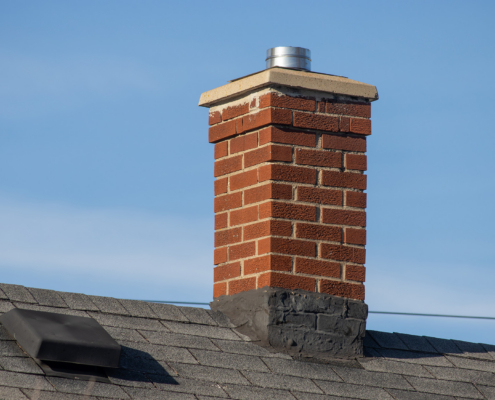
Sign #4: Visible Cracks or Crumbling Mortar

Check the exterior of your chimney for signs of deterioration. Cracked bricks, loose mortar, or leaning sections of the chimney indicate that repairs are needed.

Sign #5: Animals or Debris Inside the Chimney

Birds, squirrels, and other small animals often nest inside chimneys when they’re not in use. A professional inspection can remove any blockages and help prevent future infestations.

What Happens During a Chimney Inspection?

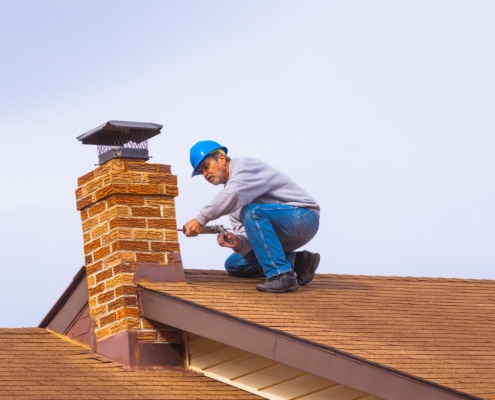
A professional chimney inspection isn’t just a quick glance—it’s a thorough evaluation of the chimney’s condition.

Level 1 Inspection:

A basic inspection suitable for chimneys that have been regularly maintained. The technician checks all accessible parts of the chimney, including the flue, damper, and firebox, for signs of wear or blockages.

Level 2 Inspection:

A more detailed inspection, often required when a home is sold or after damage has occurred. This includes a camera inspection inside the chimney to detect hidden cracks or creosote buildup.

Level 3 Inspection:

The most in-depth inspection, typically performed when major damage is suspected. It may involve removing sections of the chimney or surrounding walls to assess the full extent of the problem.

Regular inspections ensure that small problems don’t turn into costly repairs—or worse, safety hazards.

The Benefits of Regular Chimney Inspections

Aside from keeping your home safe, routine chimney inspections come with several other benefits:

  • Fire Prevention: Catching creosote buildup early reduces the risk of chimney fires.
  • Improved Air Quality: A clean chimney ensures proper ventilation, reducing indoor pollutants.
  • Long-Term Cost Savings: Addressing minor issues early prevents costly structural damage.
  • Peace of Mind: You’ll never have to second-guess whether your fireplace is safe to use.

Don’t Wait—Schedule Your Chimney Inspection Now

Many homeowners put off chimney inspections, assuming everything is fine—until a major problem arises. Regular inspections aren’t just about peace of mind; they’re about protecting your home, your family, and your investment.

If you’ve been using your fireplace without an inspection in the last year (or longer), don’t wait for visible signs of damage. Take a proactive approach to chimney care by scheduling an inspection today.

Your chimney is one of the most overlooked yet important parts of your home’s safety system. Don’t wait until you notice a problem—contact Approved Home Improvements today to schedule a professional chimney inspection and keep your home safe, warm, and worry-free.

More Like This

Front view, brick chimney on roof
Chimney inspection on roof
A chimney on a roof with smoke coming out of it
Request a Free Chimney Quote