How to Choose the Right Chimney Inspector for Your Home

Chimneys may seem simple (it’s just a stack of bricks, right?), but inspecting them properly requires a combination of skill, experience, and specialized tools. Choosing the right chimney inspector isn’t just a matter of convenience—it’s about ensuring your home’s safety and peace of mind. In this blog, we’ll walk you through the essential factors to consider when selecting a chimney inspector, so you know your fireplace is in the best hands.
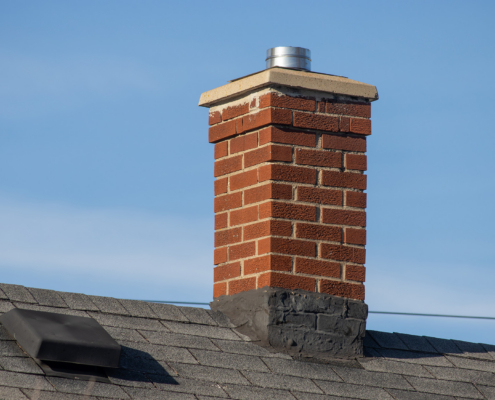
Why Choosing a Certified Chimney Inspector Matters

Chimneys can hide serious issues that a regular homeowner can’t notice. Creosote buildup, flue blockages, and minor cracks can all create significant hazards if left untreated. A certified, qualified chimney inspector can catch these issues early, saving you from potential fires, carbon monoxide leaks, and costly repairs. Choosing a qualified inspector ensures that your chimney is safe, efficient, and ready to use when you need it.

Here’s what to look for when hiring a chimney inspector to make sure you’re getting the best care for your home.

The Top Qualities to Look for in a Chimney Inspector

Finding the right chimney inspector means selecting someone with the right combination of expertise, experience, and customer satisfaction. Knowing what to look for can make this process easier and help you feel confident in your choice. Below are the top qualities to prioritize in your search.

Look for Certifications That Show Expertise

Not all chimney inspectors are equally trained. Certifications from organizations like the Chimney Safety Institute of America (CSIA) or the National Fireplace Institute (NFI) are a great place to start. These certifications indicate that the inspector has completed specialized training and meets high industry standards. CSIA and NFI certifications also ensure that your inspector is up-to-date on safety practices and codes, as both organizations require continuing education.

By choosing a certified inspector, you’re hiring someone who understands chimney mechanics, safety standards, and the importance of a thorough inspection.

Check Their Experience and Range of Expertise

A well-trained inspector should have years of experience inspecting various chimney types and addressing a wide range of issues. Inspectors with more experience tend to be better at identifying subtle warning signs, whether it’s cracks in the liner, blockages, or structural issues that could lead to bigger problems.

This is especially crucial if you own an older home, as seasoned inspectors are likely to understand the unique challenges and requirements of vintage chimneys. Asking about their experience with different types of fireplaces and chimneys will help you gauge whether they’re qualified for your specific needs.

Review Customer Feedback and Testimonials

While certifications and experience matter, customer reviews give you a window into the inspector’s professionalism, punctuality, and reliability. Look for feedback from other homeowners that speaks to the inspector’s thoroughness, communication, and trustworthiness. Did they complete the inspection on time? Did they explain the findings in a way that was easy to understand?

Good customer reviews are a strong indicator that the inspector cares about their clients and stands by the quality of their work. Prioritize inspectors with positive testimonials, as these can reflect their commitment to excellent service.

Understanding Different Levels of Chimney Inspections

Chimney inspections aren’t one-size-fits-all. Depending on your needs, your inspector should be able to recommend the appropriate level of inspection. The three levels of inspection are designed to address different situations and concerns.

  • Level 1 Inspection: This is the most basic inspection, ideal for chimneys that have had no changes or issues over the past year. Level 1 covers all visible areas of the chimney but does not include the use of specialized tools.
  • Level 2 Inspection: A more detailed inspection is recommended if the system has been changed, such as a new fuel type, or if chimney performance has been an issue. This inspection often includes using a camera to check for hidden damage or blockages.
  • Level 3 Inspection: The most comprehensive inspection level, sometimes involving partial dismantling of the chimney to reach concealed areas. Level 3 inspections are typically only needed if a significant hazard is suspected or if damage has been identified in previous inspections.

Discussing the inspection levels with your chimney inspector helps you understand their approach and ensures you’re getting the level of care your chimney needs.

Protect your home and family with a thorough chimney inspection. Schedule your chimney sweep with Approved Home Improvements today to keep your fireplace safe and ready for use.

Tools, Techniques, and Insurance: What to Ask Your Inspector

A professional chimney inspector or sweeper should come prepared with the right tools, techniques, and coverage to ensure a safe, thorough inspection. Don’t hesitate to ask questions to understand their process. Here are some key things to confirm before hiring.

Inquire About the Tools and Techniques They Use

A qualified chimney inspector should use advanced tools like camera inspection systems to examine hard-to-see areas of your chimney. Cameras allow inspectors to inspect areas like the flue interior, which is crucial for detecting blockages, creosote buildup, and cracks in the liner. Ask if they provide a detailed report with images—this gives you a visual understanding of any issues they find and allows you to make informed decisions about any needed repairs.

Also, verify that the inspector uses specialized brushes, vacuums, and equipment designed to safely and effectively clean and inspect chimneys.

Confirm Their Insurance and Liability Coverage

Since chimney inspections often involve accessing the roof and working in potentially hazardous areas, it’s crucial that your inspector is fully insured. Insurance coverage protects both you and the inspector in case of any accidents or damage during the inspection. Without this protection, you could be liable for injuries or damages that occur on your property. Ask the inspector to confirm their insurance status and any liability coverage they carry.

Choosing an insured inspector gives you peace of mind, knowing you’re protected if anything goes wrong.

Get a Detailed Quote Upfront

Transparency in pricing is another hallmark of a reputable chimney inspector. A detailed, upfront quote should include all costs associated with the inspection, as well as any additional fees that could arise. This transparency helps you avoid surprise charges and ensures you’re fully informed about the cost of the service. A trustworthy inspector will be open to discussing their pricing structure and will outline what’s included in their services.

Getting a quote in writing also serves as a reference if there are any discrepancies later on.

Ready to Find a Reliable Chimney Inspector?

The safety of your home starts with a professional chimney inspection. Contact the experts at Approved Home Improvements to book your appointment. Our certified, experienced inspectors are dedicated to providing thorough, dependable service so you can enjoy a safe, well-maintained fireplace. Don’t wait for issues to arise—schedule your inspection today and keep your home secure year-round.

More Like This

Background of old red brick wall
Dirty Chimney in home
Brick Tuckpointing Can Protect Your Home From Water Damage and Mold
Quiet Signs Your Home Needs Tuckpointing Services
Do Gas Fireplaces Need a Chimney Sweep Like Wood Ones
The Impact of St. Louis Weather on Your Chimney and How That Impacts Chimney Maintenance
Fireplace burning firewood, fire flames on wood logs, bricks background
Request a Free Chimney Quote