The Importance of Chimney Waterproofing for Winter

With winter around the corner, now is the time to ensure your chimney is protected from harsh weather. One of the most effective ways to do this is through chimney waterproofing for the winter. In this blog, we’ll cover why waterproofing is essential for protecting your chimney, keeping it in optimal condition, and avoiding costly repairs this winter season.
Why Moisture is a Chimney’s Worst Enemy

When it comes to winter, chimneys have a lot more to handle than cozy fires—they’re also up against rain, snow, freezing temperatures, and endless moisture. While water might not seem like a huge threat, it’s actually one of the biggest dangers your chimney faces. Here’s why moisture is such a problem and what it can do to your chimney if left unprotected.

Freezing and Thawing Damage

Imagine water seeping into the small cracks and pores of your chimney. When temperatures drop, that water freezes, expanding within the brick and mortar, creating even bigger cracks. This cycle of freezing and thawing can repeat over the winter, leaving your chimney more cracked and vulnerable each time. Over time, it’s not just tiny cracks—this damage can weaken your entire chimney structure, increasing the risk of a partial or full collapse. Waterproofing prevents this by keeping moisture out, stopping freeze-thaw damage in its tracks.

Masonry Deterioration and Spalling

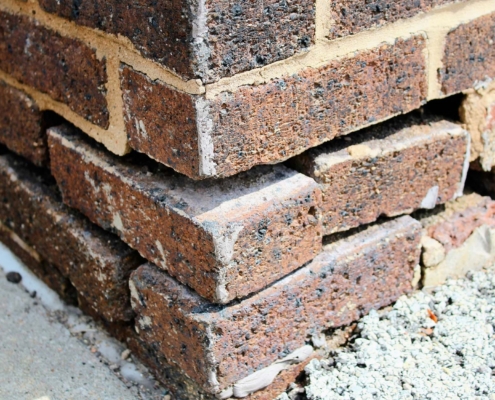
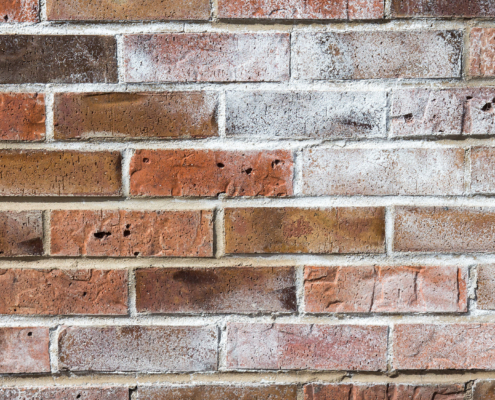
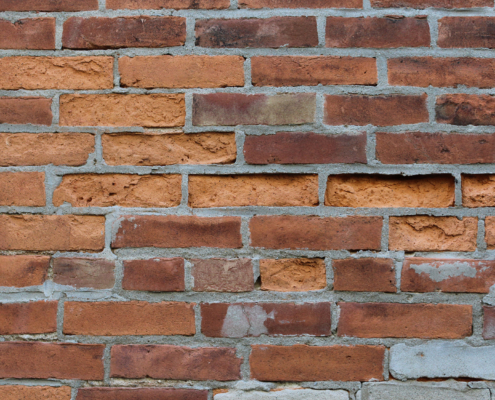
Besides freeze-thaw cycles, plain old water exposure alone can break down brick and mortar. The more your chimney is exposed to water, the more likely it is to start eroding. Spalling, which is when bricks flake or crumble, is another common issue caused by moisture. Not only does spalling make your chimney look aged and weathered, but it can also become a serious safety hazard. Waterproofing helps protect your masonry from eroding, keeping your chimney strong and intact.

How Chimney Waterproofing Prevents Damage

So, how does chimney waterproofing for winter work? Essentially, waterproofing applies a barrier to your chimney, protecting it from moisture while still allowing it to “breathe” out any internal condensation. This barrier keeps water from soaking into the brick and mortar, which can make all the difference as winter weather sets in.

It Creates a Protective Shield

The waterproofing process involves applying a high-quality sealant to the exterior of your chimney. This sealant is specially formulated for chimneys, so it repels water from the outside while allowing any trapped moisture inside the masonry to escape. This dual-action protection means water can’t get in, but your chimney still stays dry and free from condensation buildup. Think of it as giving your chimney a cozy winter coat!

It Prevents Mold and Mildew

Waterproofing doesn’t just protect against structural damage; it also keeps mold and mildew from becoming an issue. When water seeps into your chimney, it can create damp conditions perfect for mold growth. This can lead to unpleasant odors in your home, and worse, it can impact indoor air quality. Waterproofing your chimney prevents moisture from entering in the first place, cutting off any chance for mold or mildew to form.

Want to get your chimney ready for winter? Learn more about chimney sweeping and the services that will keep your chimney in top shape all season.

Additional Benefits of Chimney Waterproofing

Protecting your chimney from water damage is a huge benefit on its own, but there are some other advantages to waterproofing. Beyond structural protection, chimney waterproofing for winter can save you money and improve your fireplace’s performance, making it a smart investment for any homeowner.

Reduced Future Repair Costs

Waterproofing your chimney now can save you a lot in repair costs down the road. Cracked bricks, spalling, and internal moisture issues can lead to hefty repair bills if they’re allowed to progress. By applying a waterproofing sealant, you reduce the likelihood of these problems popping up, keeping your chimney strong and in great condition for years to come. Think of it as putting a little effort into maintenance now to save big on repairs later.

Enhanced Heating Efficiency

When your chimney is well-maintained and waterproofed, it performs better, which ultimately improves your fireplace’s efficiency. Cracks and other damage allow warm air to escape, making your fireplace work harder to heat your home. By keeping your chimney intact and waterproofed, you can enjoy a cozier and more efficient fire that keeps warmth where it belongs—inside your home.

When to Schedule Your Chimney Waterproofing

If you’re convinced that chimney waterproofing for the winter is a smart choice, the next question is: When’s the best time to do it? Timing plays an important role in making sure your chimney is fully prepared to handle winter weather, so here’s what to keep in mind.

Why Fall is Ideal

The best time to schedule chimney waterproofing for winter is in the fall before temperatures start dropping below freezing. This allows the sealant to cure properly and gives your chimney the protective layer it needs before facing harsh winter weather. Fall waterproofing prepares your chimney for the colder months, so you’re ready to light up your fireplace when the first chilly night hits.

Warning Signs to Look For

If you’re unsure whether your chimney needs waterproofing, keep an eye out for a few telltale signs. Damp smells, visible cracks in the masonry, flaking or crumbling bricks, and white staining (efflorescence) on the exterior of your chimney can all indicate moisture issues. If you notice any of these, it’s time to contact a professional for waterproofing services. Addressing these issues now will help prevent more serious problems once winter arrives.

Ready to Protect Your Chimney This Winter?

Don’t wait until winter weather causes damage to your chimney. Reach out to the experts at Approved Home Improvements to schedule your chimney waterproofing service. Our professional team will help ensure your chimney is ready for the colder months, keeping it safe, efficient, and moisture-free. Contact us today for peace of mind all season long.

More Like This

Background of old red brick wall
Dirty Chimney in home
Brick Tuckpointing Can Protect Your Home From Water Damage and Mold
Quiet Signs Your Home Needs Tuckpointing Services
Do Gas Fireplaces Need a Chimney Sweep Like Wood Ones
The Impact of St. Louis Weather on Your Chimney and How That Impacts Chimney Maintenance
Fireplace burning firewood, fire flames on wood logs, bricks background
Request a Free Chimney Quote