What Is Tuckpointing and Why Does Your Chimney Need It?

If you have a brick chimney, you might have heard about tuckpointing. It’s a repair method that helps keep your chimney strong and in good condition. But what exactly is tuckpointing, and why does your chimney need it? Let’s go over what it is, why it matters, and how to know when to call a professional.

Understanding Tuckpointing

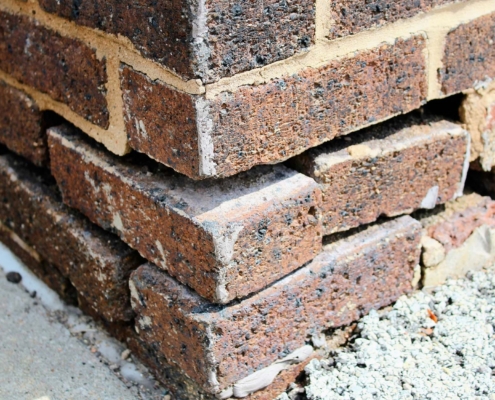
Tuckpointing is a process that repairs the mortar—the material between bricks—that holds your chimney together. Over time, weather, moisture, and temperature changes wear down the mortar, causing it to crack or crumble. When this happens, tuckpointing removes the old, damaged mortar and replaces it with fresh mortar to keep the chimney strong and good-looking.

Tuckpointing isn’t just for chimneys. It can also be used on brick walls, fireplaces, and foundations. This process helps stop water from seeping into the bricks, preventing further damage. If done correctly, tuckpointing can extend the life of a chimney and save homeowners from expensive repairs in the future.

Beyond protecting the structure, tuckpointing improves the appearance of your home. Cracked, crumbling mortar makes a house look old and worn. By replacing the damaged mortar with fresh material, tuckpointing restores the original charm of the brickwork, increasing curb appeal and even maintaining property value. This makes it an excellent option for homeowners who want to preserve the classic beauty of their home.

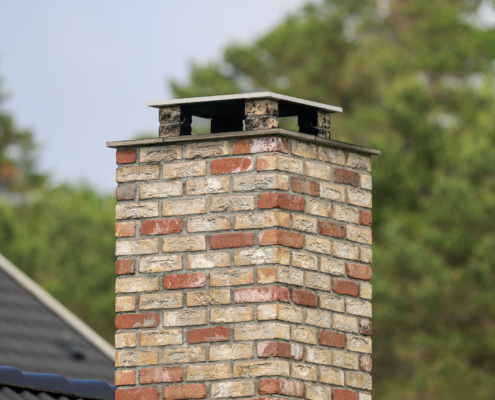
Why Your Chimney Needs Tuckpointing

Your chimney is exposed to rain, snow, wind, and heat throughout the year. Without maintenance, the mortar between the bricks can weaken, leading to serious problems. Here are a few of the benefits of tuckpointing that make it a smart investment:

Prevents Water Damage:

Cracked mortar allows water to seep inside, leading to mold, leaks, and further structural damage. In winter, trapped water can freeze and expand, worsening the damage. Tuckpointing seals these gaps before they become bigger problems.

Keeps Your Chimney Strong:

If the mortar wears away too much, your chimney could become unstable or even collapse. Tuckpointing reinforces the chimney, keeping it safe and secure. Regular maintenance helps prevent costly chimney rebuilding projects and ensures the structure remains intact for years.

Enhances the Look of Your Home:

Damaged mortar makes your chimney look neglected. Tuckpointing refreshes its appearance, making it look well-maintained. This improves curb appeal and can increase your home’s value. Whether you’re planning to sell or simply want to enjoy a well-kept house, tuckpointing is an excellent choice.

Saves Money on Future Repairs:

Fixing small issues now prevents major repairs later. Tuckpointing can help avoid expensive chimney rebuilds, saving you money in the long run. Preventive care is always more affordable than dealing with extensive damage later on.

Before chimney problems become too serious, it’s essential to recognize the warning signs that indicate tuckpointing is needed. Catching these issues early can save you from expensive repairs and help maintain your home’s safety and beauty. A well-maintained chimney functions correctly and adds to your property’s overall value and appearance.

Signs Your Chimney Needs Tuckpointing

Your chimney may look fine at first glance, but small signs of wear can indicate that repairs are needed. Look out for these warning signs:

  • Crumbling or cracked mortar: This is an early sign of deterioration that should be addressed before it worsens.
  • Gaps between bricks: These spaces let in moisture, weakening the chimney over time.
  • White powder on bricks (efflorescence): This means moisture is affecting the brick structure.
  • A leaning or tilting chimney: This indicates serious structural problems that need immediate attention.
  • Water stains inside your home near the chimney: Moisture may be leaking in due to deteriorating mortar.

Ignoring these signs can lead to expensive damage, including chimney collapse or interior water issues. Regular maintenance and timely tuckpointing can prevent these problems and keep your chimney in great shape.

Don’t wait until small issues turn into costly repairs—trust the experts at Approved Home Improvements for professional tuckpointing services.

The Tuckpointing Process: What to Expect

Tuckpointing is a skilled process that requires precision. It involves removing damaged mortar, replacing it with fresh material, and blending it into the existing brickwork. Professionals use special tools to ensure the job is done correctly and lasts for years.

The process typically includes:

  1. Inspection: A professional assesses the chimney’s condition and determines the extent of the damage.
  2. Removing old mortar: Special tools carefully remove the damaged mortar without harming the bricks.
  3. Applying new mortar: Fresh mortar is placed between the bricks and matched to the original color for a seamless finish.
  4. Shaping and cleaning: The mortar is smoothed to match the chimney’s original style, and excess material is cleaned.
  5. Sealing: Some professionals apply a sealant for added protection against moisture, helping the repair last longer.

Depending on the extent of the damage, the entire process can take anywhere from a few hours to a couple of days. Tuckpointing strengthens the chimney and restores its beauty, making it a valuable investment for homeowners.

Tuckpointing vs. Repointing: What’s the Difference?

People often confuse tuckpointing with repointing, but they’re not the same. Repointing involves removing and replacing damaged mortar. Tuckpointing is more detailed and uses two different mortar colors to make the brickwork look cleaner and more refined.

The process of tuckpointing is designed to fix structural issues and enhance the appearance of the brickwork. This method was initially developed to imitate expensive, high-end brickwork, and it remains a popular choice for maintaining a polished, well-maintained look. If you’re unsure which service your chimney needs, a professional can help determine the best approach.

Tools Professionals Use for Tuckpointing

Professionals use specialized tools to ensure a precise and durable repair to carefully remove old mortar, and apply fresh mortar, creating a seamless finish that blends perfectly with the existing brickwork. Some essential tools include:

  • Angle grinder: Used to remove deteriorated mortar joints efficiently.
  • Tuckpointing trowel: A small trowel designed for applying and shaping new mortar.
  • Joint raker: Helps clean loose mortar and create a uniform depth for fresh mortar application.
  • Pointing chisel and hammer: Used for detailed mortar removal in tight spaces.
  • Hawk and trowel: A platform and toolset is used to hold and apply fresh mortar.
  • Masonry brushes: Helps remove dust and debris before applying new mortar.
  • Mortar gun or bag: Assists in applying mortar evenly into joints for a clean finish.
  • Finishing jointers: Tools used to create smooth, consistent mortar joints for a polished look.

Using the right tools ensures that tuckpointing repairs are long-lasting and enhance the stability of the chimney. Professionals carefully select these tools to achieve precision and maintain the structural integrity of the brickwork.

Choose Approved Home Improvements for Tuckpointing in St. Louis

We specialize in professional tuckpointing services to restore and protect your chimney. With years of experience, our skilled team provides top-quality craftsmanship to homes in St. Louis and the surrounding area. Learn how our chimney services can ensure your brickwork remains durable and attractive for years to come.  

More Like This

Background of old red brick wall
Brick Tuckpointing Can Protect Your Home From Water Damage and Mold
Quiet Signs Your Home Needs Tuckpointing Services
Brick chimney and metal vent on a house shingled roof in Boston, USA
How Long Does Tuckpointing Last on a Chimney?
Request a Free Chimney Quote