Chimney Fires: How They Start and How to Prevent Them

Chimney firesare more than just a nuisance—they can also be deadly. Understanding how they start and how to prevent them is key to keeping your home safe. This article covers everything you need to know about chimney fires.

Why Preventing Chimney Fires Is Crucial

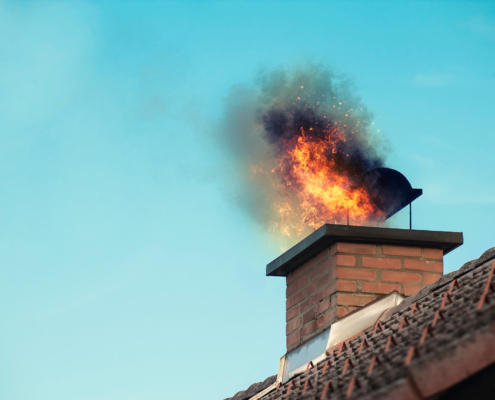
Preventing chimney fires is essential, as these incidents pose significant risks to both property and personal safety. Chimney fires often result from the accumulation of creosote, a highly flammable substance, within the chimney flue. When ignited, these fires can reach extremely high temperatures, causing extensive damage to the chimney structure and threatening the entire home.

Beyond property damage, chimney fires can release toxic gases like carbon monoxide into living spaces, jeopardizing the health of occupants. With preventive measures such as regular inspections, proper cleaning, and safe burning practices, homeowners can safeguard their property and create a secure environment.

How Likely Are Chimney Fires?

People often underestimate the likelihood of chimney fires. According to the National Fire Protection Association, chimneys are responsible for a majority of home heating fires. However, regular maintenance, professional help from a chimney sweep, and proper fireplace installation can significantly reduce the risks.

Common Causes of Chimney Fires

Creosote Buildup

The primary culprit behind most chimney fires is creosote buildup. Creosote, a byproduct of burning wood in a fireplace, can accumulate inside the chimney over time. As it builds up, this highly flammable substance becomes a significant fire hazard, igniting easily and causing chimney fires. Regular cleaning is essential to mitigate this danger.

Cracks and Gaps

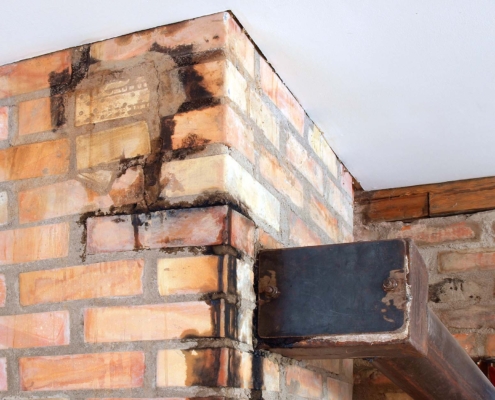
Chimney fires can also result from the heat seeping through cracks and gaps in your chimney wall. Even minor defects can give these high temperatures a way out, causing nearby combustible materials to catch fire.

Blockages

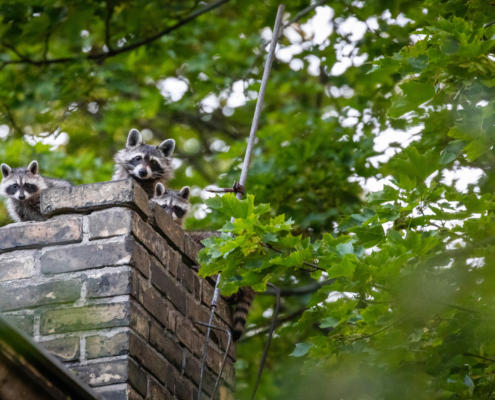
Chimney blockages, often caused by debris, animal nests, or accumulated soot, restrict proper airflow. This obstruction can trap combustible materials and trigger fire outbreaks within the chimney. Regular inspections and maintenance are crucial to identify and remove blockages, ensuring safe and efficient fireplace operation.

A Lack of Cleaning

Neglecting chimney cleaning allows creosote, a highly flammable substance, to accumulate. Over time, this increases the risk of fire breakouts in the chimney. Regular cleaning is essential to remove combustible deposits and prevent uncontrolled fires within the chimney.

Prevent chimney fireswith chimney sweepservices from Approved Home Improvements.

Faulty Installation

Last but not least, never overlook the role of a well-installed chimney in preventing fires. Faulty or improper fireplace installation can set the stage for a host of problems, including chimney fires. It pays to have a professional take care of your fireplace and chimney installation.

Essential Tips to Prevent Chimney Fires

While there are many ways a fire can start, preventing chimney fires is possible. It’s about maintaining an uninterrupted airflow, implementing safe fire-burning practices, and most importantly, scheduling regular maintenance.

Regular Chimney Inspections and Cleaning

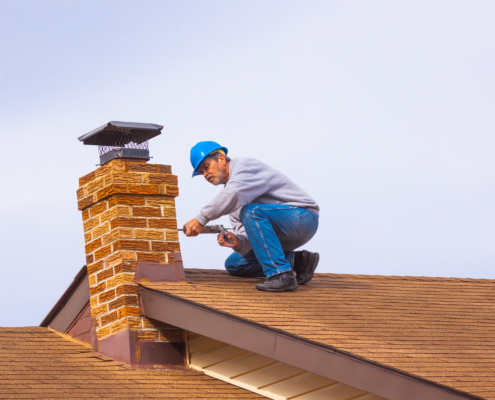
The first rule of preventing fireplace mishaps is scheduling regular chimney inspections and cleaning from a professional chimney sweep.

With routine inspections, the chimney sweep can spot issues such as creosote buildup, cracks in the chimney walls, or blockages that might lead to fires. These inspections and cleanings are critical before the start of the burning season and should be performed at least once a year. Going too long without a chimney sweep might lead to accelerated wear and tear, reducing the effectiveness of your wood stove or gas insert.

A regular maintenance schedule is also beneficial in the long run. It helps to address minor issues before they transform into costly chimney repairs or risky situations. Plus, it enhances the overall lifespan and performance of your chimney.

Safe Fire-Burning Practices

Safe fire-burning techniques are crucial for preventing fire. These habits go a long way in ensuring the safety of your home and family. They also cut down on risk factors like excess creosote buildup or chimney wall damage.

For example, using seasoned wood is a must when it comes to the fuel you use. Fresh wood has a high moisture content, leading to more smoke and, consequently, further creosote buildup. On the other hand, seasoned wood burns cleaner and hotter, reducing the risk of a chimney fire.

Another best practice is to keep the fires small and manageable. Bigger isn’t always better in this case. Larger fires don’t burn as completely, leading to more creosote accumulation. Always aim for a bright, small, and well-maintained fire for maximum safety and efficiency.

Install a Chimney Cap

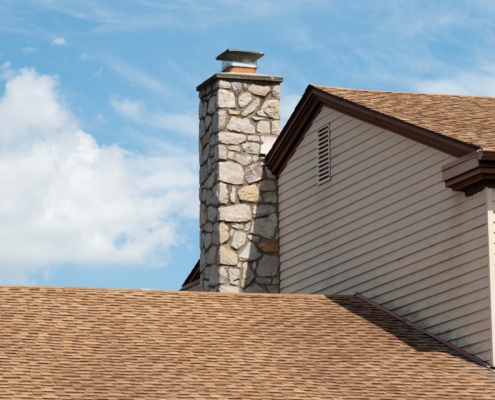
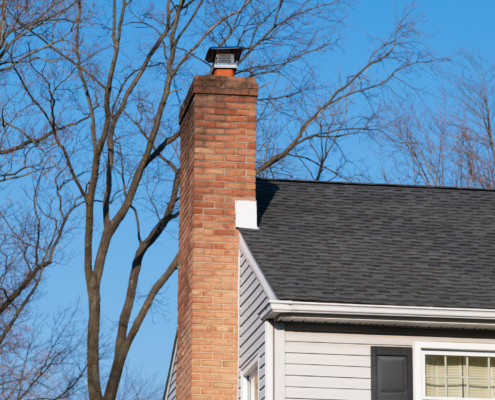
A chimney cap is a protective covering that prevents downdrafts, rain, debris, or pests from entering and obstructing your chimney. It shields the chimney from environmental factors and intrusion, allowing proper airflow for smoke and creosote.

Having a chimney cap installed is a no-brainer during a fireplace installation. It’s a small investment to prevent a big problem—one step that should not be ignored in your overall fire prevention strategy.

By following these safety tips, you can prevent chimney fires from impacting your masonry and the safety of your home.

How to Choose the Best Chimney Expert

When scouting for a chimney company, professionalism, expertise, and reliability are crucial.

Make sure the company is licensed, bonded, and insured by checking credentials. Look for certifications from recognized chimney safety organizations. Customer reviews and testimonials also provide valuable insights into the company’s reputation and the quality of their services.

Additionally, a reliable chimney company should offer installation, regular maintenance, and thorough cleaning. Inquire about the experience, training, and certifications of their technicians.

Transparent pricing and detailed estimates also indicate a trustworthy company, along with their responsiveness and customer service. A chimney service provider that values open communication and prompt response is more likely to provide a positive and efficient experience for your chimney needs.

If you’re looking for a chimney expert who checks all your boxes, consider Approved Home Improvements.

Keep Your Chimney Safe With Approved Home Improvements

Approved Home Improvements is your trusted partner in chimney safety and maintenance. Our industry professionals understand what causes chimney fires and take preventive measures that safeguard your home. We prioritize not only the longevity and efficiency of your chimney, but the safety of your household. Should a chimney fire occur, rest assured that our experts are well-equipped to handle the repairs promptly and effectively.

At Approved Home Improvements, your peace of mind is our commitment. Contact us today to get started.

More Like This

Chimney Care

Chimney Care 101

Learn essential chimney care tips for every season. From cleaning schedules to waterproofing, here’s how to keep your chimney safe and efficient.

The Importance of Pre-Winter Chimney Maintenance

Learn why pre-winter chimney maintenance is essential for home safety and how it could help you avoid emergency repairs and prevent fires.
Cracked and leaking brick chimney

Why Exterior Chimney Cleaning Services Prevent Internal Damage

Exterior chimney damage often leads to hidden internal issues. Learn how professional chimney cleaning services help prevent fire risks and more.
Group of preschool student and teacher holding hands and walking to home

Fall Home Maintenance Checklist: Getting Your House in Order During Back-to-School Season

Create a fall home maintenance checklist for the back-to-school season to ensure your home is prepared for upcoming fall weather.
raccoons in chimney

What to Do When There’s an Animal in Your Chimney

Learn the safest steps to take when you find an animal in your chimney, from identifying the intruder to removing it humanely.
Chimney Fires: How They Start and How to Prevent Them

Chimney Fires: How They Start and How to Prevent Them

Knowing what causes a chimney fire and how to prevent it is key to maintaining the safety and functionality of your masonry.
outdoor chimney from the fireplace roof sky

Storm Damage and Your Chimney

Heavy storm damage and inclement weather can have lasting effects on your chimney. Learn more about its impact and how to protect your home.
Image of a chimney with fire coming out the top.

What causes chimney fires?

Many homeowners realize too late that chimney fires are avoidable. Learn what causes chimney fires and how to prevent them.
Image of a chimney cap.

What is a chimney cap?

Chimney caps are an afterthought for many homeowners, but they shouldn’t be. Here’s what you need to know about this critical chimney component.
Request a Free Chimney Quote