
 https://ahillcstl.com/wp-content/uploads/2026/02/The-Impact-of-St.-Louis-Weather-on-Your-Chimney-and-How-That-Impacts-Chimney-Maintenance.jpg
1250
2000
AbstraktMarketing
/wp-content/uploads/2024/12/Approved-Home-Improvements-300x263.jpg
AbstraktMarketing2026-02-12 10:38:372026-03-04 14:31:21The Impact of St. Louis Weather on Your Chimney and How That Impacts Chimney Maintenance
https://ahillcstl.com/wp-content/uploads/2026/02/The-Impact-of-St.-Louis-Weather-on-Your-Chimney-and-How-That-Impacts-Chimney-Maintenance.jpg
1250
2000
AbstraktMarketing
/wp-content/uploads/2024/12/Approved-Home-Improvements-300x263.jpg
AbstraktMarketing2026-02-12 10:38:372026-03-04 14:31:21The Impact of St. Louis Weather on Your Chimney and How That Impacts Chimney MaintenanceWhat Do Chimney Sweep Services Actually Include? A Step-by-Step Guide
If you have a fireplace or wood stove in the St. Louis area, you’ve probably been told to get your chimney cleaned. The problem is that most homeowners are never told what chimney sweep services actually include. Is it just brushing soot? Is there a chimney inspection? Will it make a mess? Will someone try to sell you a bunch of repairs you don’t need?
This guide breaks the process down step by step so you know what to expect, what should be included, and how to choose a reputable pro. When you understand how chimney sweep services work, it’s easier to stay ahead of safety issues like creosote buildup and avoid the stress of surprise problems in the middle of winter.
An Overview of Chimney Sweep Services
Certified chimney sweep services do more than “make the chimney clean.” A professional visit is designed to improve safety, keep your system working efficiently, and identify issues early before they become expensive repairs. In St. Louis, that prevention mindset matters even more because older homes and tough seasonal weather can put extra stress on masonry and venting systems.
What a Chimney Sweep Actually Does
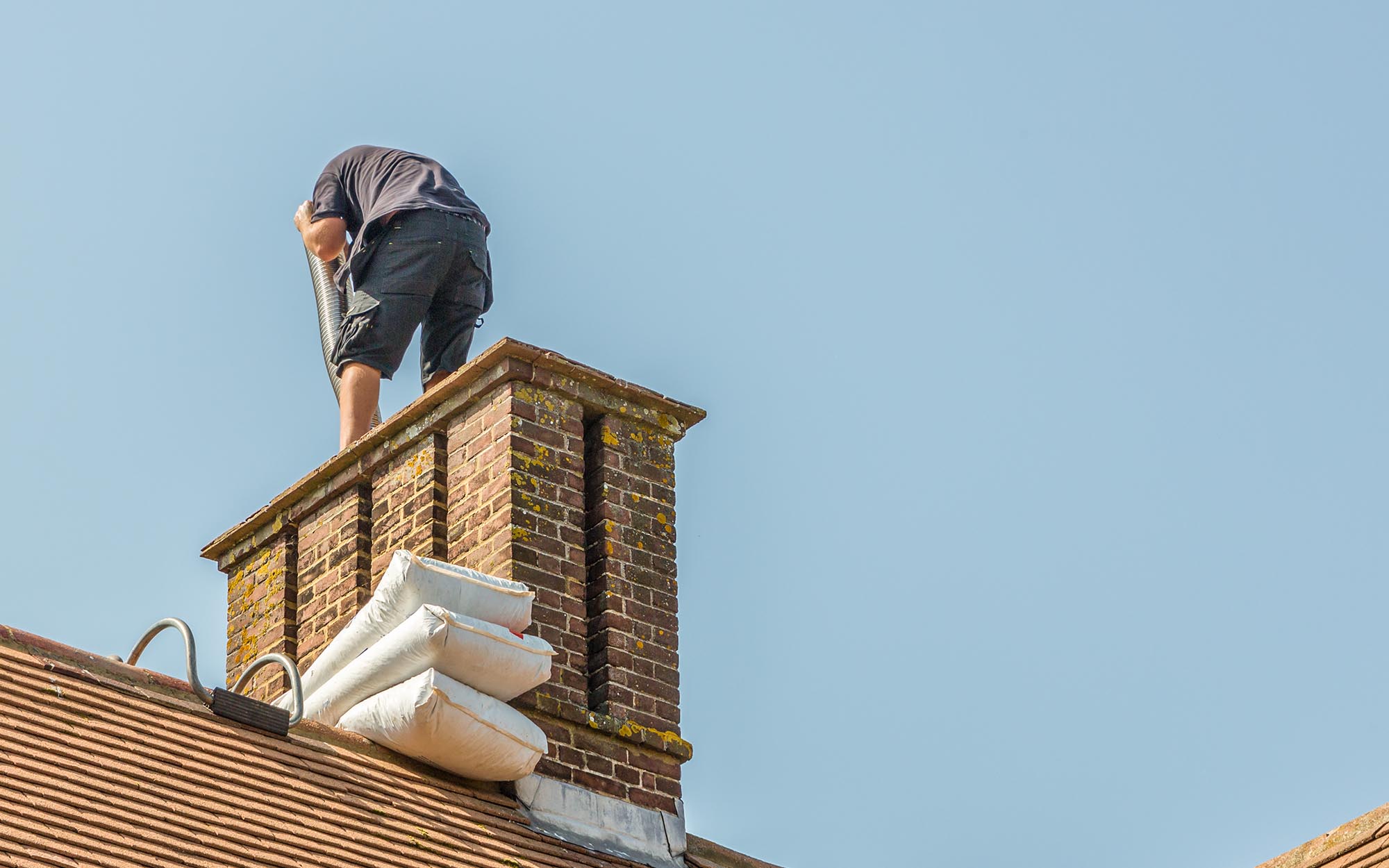
A thorough chimney sweep focuses on removing soot, debris, and creosote buildup from the flue and firebox areas, then evaluating the condition of key components. In most cases, chimney sweep services include a mix of cleaning and evaluation.
A standard appointment typically covers:
- Setting up protective materials to keep your home clean
- Visual review of the fireplace and surrounding areas
- Chimney flue cleaning using professional brushes and tools
- Removing soot and debris from the firebox and smoke shelf
- Checking draft, airflow, and general venting performance
- Recommending next steps if safety issues are discovered
Chimney sweep services should feel structured and professional, not vague or improvised.
Why Chimney Sweeping Matters More Than Most Homeowners Realize
It’s easy to treat chimney care as something that’s just “nice to have,” especially if your fireplace looks fine from the living room. The risk is that the most dangerous problems live out of sight, inside the flue system where smoke and heat travel.
Chimney sweep services are about prevention first. Here’s what is really at stake.
The Risks of Creosote Buildup and Chimney Fires
When you burn wood, smoke leaves behind residue. Over time, that residue can harden into creosote buildup, which is highly flammable. If enough creosote buildup accumulates, a chimney fire can ignite quickly and burn extremely hot.
Even if a fire doesn’t break out, heavy buildup can restrict airflow and cause smoke to spill back into your home. This is one reason chimney inspection and cleaning go hand in hand. You want to know what’s happening inside the system, not guess.
Carbon Monoxide and Venting Problems
Chimneys are designed to vent combustion gases safely out of your home. If the flue is blocked, damaged, or drafting poorly, gases can move in the wrong direction. That’s where carbon monoxide risk comes into the picture.
Chimney sweep services help reduce that risk by removing blockages and identifying issues that can interfere with proper venting.
Efficiency and Fireplace Performance
A clean, properly venting system typically lights easier, drafts better, and produces less smoke. That means your fireplace maintenance is not just about safety but rather making the fireplace more enjoyable to use.
Chimney Inspections vs. Cleaning: What’s the Difference?
A lot of homeowners use inspection and cleaning as if they mean the same thing. They’re connected, but not identical. Understanding the difference helps you schedule the right service and know what questions to ask.
What a Chimney Inspection Covers
A chimney inspection is the evaluation of the system’s condition. It may include looking at:
- The firebox, damper, smoke chamber, and visible flue areas
- The chimney structure, crown, cap, and flashing
- Signs of moisture damage, deterioration, or unsafe clearances
- Draft performance and ventilation concerns
- Evidence of animal nesting or debris
Depending on the level of chimney inspection needed, it can be visual, camera-assisted, or more detailed. Inspections are especially important for older St. Louis homes, where years of use and weather exposure can create hidden issues.
What Cleaning Covers
Cleaning is about removal. That includes chimney flue cleaning, removing soot from the firebox, and clearing the smoke shelf area where debris collects. Cleaning is often paired with an inspection because it’s hard to assess some parts of the system when they are coated in soot.
Think of it this way: the chimney inspection tells you what condition the system is in, and the cleaning helps make the system safer to operate and easier to evaluate.
If you want chimney sweep services you can trust, explore our chimney sweeping services at Approved Home Improvements and see exactly how we keep St. Louis homeowners safe with a clean, professional process.
Step-by-Step: What Happens During Chimney Sweep Services
The best chimney sweep services follow a repeatable process. You should feel like the appointment has a clear beginning, middle, and end. Below is a homeowner-friendly walkthrough of what a professional visit usually includes.
Step 1: Arrival, Walkthrough, and Safety Setup
Before any tools come out, the technician should confirm what type of fireplace or stove you have and ask how often you use it. That conversation helps determine how much creosote buildup might be present and what the visit should focus on.
Then the crew should prep the space:
- Drop cloths or protective coverings around the work area
- Specialized vacuums staged to control soot and dust
- A quick check of nearby surfaces and flooring
Step 2: Visual Fireplace Inspection From the Inside
Next comes an interior evaluation. This part often includes a basic chimney inspection of the fireplace opening, damper, and smoke chamber. The technician is looking for obvious damage, heavy buildup, poor airflow signs, and anything that raises safety concerns.
Common issues that show up here:
- Damper problems that affect draft
- Cracked firebox panels
- Excess soot that suggests poor burning conditions
- Visible creosote buildup near the opening
Step 3: Chimney Flue Cleaning
Now, the work that most homeowners picture: chimney flue cleaning.
A professional uses appropriately sized brushes and rods to scrub the interior of the flue. The goal is to remove soot and creosote buildup from the walls of the flue so smoke can vent properly and fire risk stays low.
Depending on your setup, chimney sweep services may include:
- Cleaning from the top down (roof access)
- Cleaning from the bottom up (from inside the home)
- Using different brush types for clay tile, metal liners, or other systems
If your chimney has a liner, this step is still critical. Liners can accumulate residue and block airflow just like masonry flues.
Step 4: Firebox, Smoke Shelf, and Debris Removal
The flue is not the only place that collects soot and debris. The firebox and smoke shelf can also fill with residue, animal nesting material, and falling mortar.
A thorough service includes:
- Removing soot and debris from the firebox
- Clearing the smoke shelf area
- Checking for blockages and signs of nesting
This is also where many homeowners learn they have a chimney cap issue or a history of animal entry. It’s common in St. Louis, especially in older neighborhoods where trees and wildlife are everywhere.
Step 5: Checking for Draft and Venting Red Flags
Once the system is cleaner, the technician can better evaluate performance. Draft testing may be simple, but the goal is important: confirm smoke is moving up and out as it should.
If there are warning signs of poor draft, your technician should explain what’s happening and what the next step is. In some cases, this could mean recommending a more detailed chimney inspection.
Step 6: Cleanup and a Clear Summary
A professional visit ends with cleanup and communication, not a rushed exit. You should expect:
- Vacuuming and wiping down the work area
- Removing protective coverings cleanly
- A straightforward explanation of what was done
- Notes on what was found and what should happen next
Chimney sweep services should leave your home as clean as it was before the appointment. If you are wondering whether chimney sweeping is messy, the answer is: it shouldn’t be when the crew uses the right setup and equipment.
How Long Do Chimney Sweep Services Take?
Timing varies depending on buildup, fireplace type, and access. Still, homeowners want a realistic expectation, especially when scheduling around work or school.
A typical appointment is often around an hour, give or take. Heavier creosote buildup, multiple flues, or a more detailed chimney inspection can extend the timeline.
When and How Often You Need Chimney Sweep Services
A lot of homeowners wait until they smell smoke or see debris. That’s understandable, but it’s not the safest way to manage a fireplace system.
Regular chimney sweep services are about staying ahead of problems.
General Frequency Guidelines
Frequency depends on use, fuel type, and system condition. In general:
- If you use your fireplace often during fall and winter, plan on annual service.
- If you use it occasionally, you may still need routine chimney inspection and cleaning, especially in older St. Louis homes.
- If you have had draft issues, smoky fires, or a history of creosote buildup, don’t delay.
Fireplace maintenance is not just about the number of fires you burn. Moisture, age, and animal activity also play a role.
Signs You May Need Service Sooner
Even if you think you’re not using your chimney very much, you might still need chimney sweep services if you notice:
- Strong smoky odor near the fireplace
- Poor draft or smoke entering the room
- Dark buildup visible around the damper area
- Debris falling into the firebox
- Excessive soot around the opening
How to Prepare Your Home for a Chimney Sweep Visit
A little prep makes the appointment smoother and faster. It also helps the crew protect your home more easily.
Before chimney sweep services:
- Don’t use the fireplace for at least 24 hours so everything is cool.
- Move small decor items from the mantel or hearth.
- Clear a path to the fireplace area.
- Keep pets in another room if they are curious or anxious.
After the visit, follow any recommendations provided. If the technician suggests additional fireplace maintenance or a follow-up chimney inspection, that guidance is typically based on safety, not upselling.
Keeping Your Fireplace Safe Starts With Clear, Professional Service
Chimney sweep services should never feel mysterious. When the process is transparent, homeowners can plan better, budget smarter, and stay focused on prevention instead of reacting to problems.
At Approved Home Improvements, we take a safety-first approach to chimney sweep services and make sure homeowners know exactly what we are doing and why. If you’re ready for a professional chimney inspection and thorough chimney flue cleaning, we’re here to help you protect your home, your air quality, and your peace of mind.
https://ahillcstl.com/wp-content/uploads/2026/02/The-Impact-of-St.-Louis-Weather-on-Your-Chimney-and-How-That-Impacts-Chimney-Maintenance.jpg
1250
2000
AbstraktMarketing
/wp-content/uploads/2024/12/Approved-Home-Improvements-300x263.jpg
AbstraktMarketing2026-02-12 10:38:372026-03-04 14:31:21The Impact of St. Louis Weather on Your Chimney and How That Impacts Chimney Maintenance https://ahillcstl.com/wp-content/uploads/2025/12/Fireplace-burning-firewood-fire-flames-on-wood-logs-bricks-background.jpg
1250
2000
AbstraktMarketing
/wp-content/uploads/2024/12/Approved-Home-Improvements-300x263.jpg
AbstraktMarketing2025-12-24 08:20:422026-03-04 14:31:21Fireplace Maintenance Tips for All Seasons
https://ahillcstl.com/wp-content/uploads/2025/12/Fireplace-burning-firewood-fire-flames-on-wood-logs-bricks-background.jpg
1250
2000
AbstraktMarketing
/wp-content/uploads/2024/12/Approved-Home-Improvements-300x263.jpg
AbstraktMarketing2025-12-24 08:20:422026-03-04 14:31:21Fireplace Maintenance Tips for All Seasons https://ahillcstl.com/wp-content/uploads/2025/12/a-chimney-sweep-climbs-a-metal-ladder-to-the-roof-of-the-bathhouse-to-clean-the-pipe-from-burning.jpg
1250
2000
AbstraktMarketing
/wp-content/uploads/2024/12/Approved-Home-Improvements-300x263.jpg
AbstraktMarketing2025-12-24 08:20:192026-03-04 14:31:21Chimney Cleaning: How Often Should You Really Do It?
https://ahillcstl.com/wp-content/uploads/2025/12/a-chimney-sweep-climbs-a-metal-ladder-to-the-roof-of-the-bathhouse-to-clean-the-pipe-from-burning.jpg
1250
2000
AbstraktMarketing
/wp-content/uploads/2024/12/Approved-Home-Improvements-300x263.jpg
AbstraktMarketing2025-12-24 08:20:192026-03-04 14:31:21Chimney Cleaning: How Often Should You Really Do It? https://ahillcstl.com/wp-content/uploads/2025/08/How-Often-You-Need-a-Chimney-Sweep-in-St.-Louis.jpg
1080
1920
AbstraktMarketing
/wp-content/uploads/2024/12/Approved-Home-Improvements-300x263.jpg
AbstraktMarketing2025-08-11 14:34:022026-03-04 14:31:23How Often You Need a Chimney Sweep in St. Louis
https://ahillcstl.com/wp-content/uploads/2025/08/How-Often-You-Need-a-Chimney-Sweep-in-St.-Louis.jpg
1080
1920
AbstraktMarketing
/wp-content/uploads/2024/12/Approved-Home-Improvements-300x263.jpg
AbstraktMarketing2025-08-11 14:34:022026-03-04 14:31:23How Often You Need a Chimney Sweep in St. Louis https://ahillcstl.com/wp-content/uploads/2025/02/chimney-sweeping-device.jpg
1250
2000
AbstraktMarketing
/wp-content/uploads/2024/12/Approved-Home-Improvements-300x263.jpg
AbstraktMarketing2025-02-26 14:42:262026-03-04 14:31:25The Importance of Chimney Inspections: Why You Can’t Afford to Neglect Your Chimney
https://ahillcstl.com/wp-content/uploads/2025/02/chimney-sweeping-device.jpg
1250
2000
AbstraktMarketing
/wp-content/uploads/2024/12/Approved-Home-Improvements-300x263.jpg
AbstraktMarketing2025-02-26 14:42:262026-03-04 14:31:25The Importance of Chimney Inspections: Why You Can’t Afford to Neglect Your Chimney https://ahillcstl.com/wp-content/uploads/2025/02/Front-view-brick-chimney-on-roof.jpg
1250
2000
AbstraktMarketing
/wp-content/uploads/2024/12/Approved-Home-Improvements-300x263.jpg
AbstraktMarketing2025-02-20 11:42:272026-03-04 14:31:26Easy Spring Chimney Safety Checklist for Homeowners
https://ahillcstl.com/wp-content/uploads/2025/02/Front-view-brick-chimney-on-roof.jpg
1250
2000
AbstraktMarketing
/wp-content/uploads/2024/12/Approved-Home-Improvements-300x263.jpg
AbstraktMarketing2025-02-20 11:42:272026-03-04 14:31:26Easy Spring Chimney Safety Checklist for Homeowners https://ahillcstl.com/wp-content/uploads/2023/08/chimney-sweep-on-the-roof-.jpg
1250
2000
AbstraktMarketing
/wp-content/uploads/2024/12/Approved-Home-Improvements-300x263.jpg
AbstraktMarketing2023-08-10 09:00:002026-03-04 14:31:33Why Are Chimney Sweeps Necessary During the Off-Season?
https://ahillcstl.com/wp-content/uploads/2023/08/chimney-sweep-on-the-roof-.jpg
1250
2000
AbstraktMarketing
/wp-content/uploads/2024/12/Approved-Home-Improvements-300x263.jpg
AbstraktMarketing2023-08-10 09:00:002026-03-04 14:31:33Why Are Chimney Sweeps Necessary During the Off-Season? https://ahillcstl.com/wp-content/uploads/2023/03/Help-My-Fireplace-Smells-Like-Smoke.jpg
1250
2000
AbstraktMarketing
/wp-content/uploads/2024/12/Approved-Home-Improvements-300x263.jpg
AbstraktMarketing2023-03-30 09:00:002026-03-04 14:31:34Does Your Chimney Smell like a Camp Fire?
https://ahillcstl.com/wp-content/uploads/2023/03/Help-My-Fireplace-Smells-Like-Smoke.jpg
1250
2000
AbstraktMarketing
/wp-content/uploads/2024/12/Approved-Home-Improvements-300x263.jpg
AbstraktMarketing2023-03-30 09:00:002026-03-04 14:31:34Does Your Chimney Smell like a Camp Fire? https://ahillcstl.com/wp-content/uploads/2022/11/When-Do-Metal-Chimney-Flues-Need-Cleaning__.jpg
1250
2000
AbstraktMarketing
/wp-content/uploads/2024/12/Approved-Home-Improvements-300x263.jpg
AbstraktMarketing2022-11-24 09:00:002026-03-04 14:31:35Do Metal Chimney Flues Need Cleaning?
https://ahillcstl.com/wp-content/uploads/2022/11/When-Do-Metal-Chimney-Flues-Need-Cleaning__.jpg
1250
2000
AbstraktMarketing
/wp-content/uploads/2024/12/Approved-Home-Improvements-300x263.jpg
AbstraktMarketing2022-11-24 09:00:002026-03-04 14:31:35Do Metal Chimney Flues Need Cleaning?
