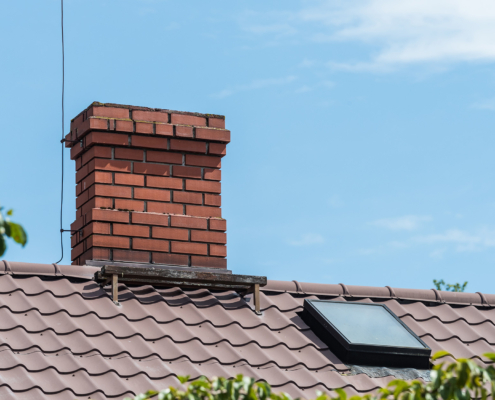
The Best Time of Year to Schedule Tuckpointing Services

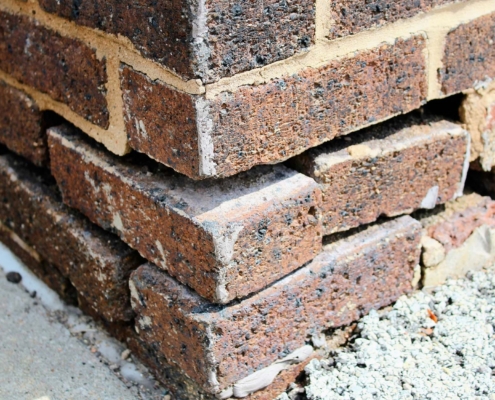
Mortar crumbles slowly, until the gaps between your bricks are wide enough to let in water and the damage starts working its way deeper. By the time most homeowners notice, it’s been building for years. The good news is that tuckpointing services can reverse that damage before it becomes structural. But when you schedule the work matters almost as much as doing it at all. Timing affects how well new mortar cures, how long the repair lasts, and how easy it is to get on a good contractor’s schedule. Here’s what you need to know before you book.
Why Timing Matters for Tuckpointing

Mortar is sensitive to temperature and moisture. Fresh mortar needs the right conditions to bond correctly and cure fully. If those conditions aren’t met, even a well-executed mortar joint repair can crack or fail ahead of schedule. Experienced masons will tell you that the calendar is part of the job. Knowing how each season affects the work helps you make a smarter decision about when to call.

Spring: The Best Window for Most Homeowners

Late spring, which should be counted as roughly April through early June in the St. Louis area, is the ideal time to schedule tuckpointing services. Temperatures are reliably above 40°F, which is the threshold mortar needs to cure properly, humidity is moderate, and the freeze-thaw cycle that does so much damage over winter has just finished its work. You can assess the full scope of repairs before bringing in a crew, which means fewer surprises mid-job.

Book early. Spring is peak season for masonry contractors, and good crews fill their calendars fast. Calling in late winter for an April or May appointment puts you in the best position on every front.

Summer: Workable, With Caveats

Summer exterior masonry repair is viable, but St. Louis heat above 90°F can cause mortar to dry too quickly on the surface before the interior has cured, which creates a weak bond. A skilled crew manages this by working in shade, keeping the masonry moist, and avoiding the hottest parts of the day. The work can be done well in summer, but it demands more from the contractor.

Availability is the bigger issue. Summer picks up a lot of the overflow from a packed spring, so schedules stay competitive. If summer is your window, book early and confirm the contractor has experience with warm-weather conditions.

Early Fall: A Strong Secondary Option

September through mid-October is the second-best window. Temperatures have cooled, conditions are generally dry, and there’s still a comfortable runway before the first hard freeze. Getting tuckpointing services done in early fall means your chimney and exterior masonry go into winter reinforced.

The risk is cutting it too close. Newly applied mortar needs at least a week of temperatures above 40°F to cure properly, and in the St. Louis area, cold snaps can arrive earlier than expected. Early in the fall window is always safer than late.

Winter: Generally Off the Table

Winter chimney repair is possible in limited situations, but freezing temperatures slow or prevent curing, and the freeze-thaw cycle actively works against fresh mortar. Most reputable contractors won’t take on tuckpointing services in below-freezing conditions.

If your chimney has urgent damage that can’t wait, a contractor can assess what’s safe to address now versus what should hold until spring.

Understanding the full tuckpointing process helps you know what to ask for when you call. Explore Approved Home Improvements’ tuckpointing services and what sets a thorough job apart from a quick fix.

What Happens When You Wait Too Long

Homeowners often put off mortar joint repair because the damage looks cosmetic. But water doesn’t make that distinction. It finds every gap and gets in regardless. Delaying the work leads to a predictable chain of problems:

  • Water infiltration and brick damage. Moisture that gets past failing mortar causes staining, spalling, and interior deterioration. In winter, trapped water freezes and expands, accelerating the damage with every cycle.
  • Structural compromise. Mortar joints hold the chimney together. When enough of them fail, the stack itself becomes unstable.
  • Mold and moisture inside the home. Water that enters through damaged exterior masonry repair zones can migrate into wall cavities and framing, where it creates conditions for mold growth that’s expensive to remediate.
  • Higher costs down the road. A routine mortar joint repair job becomes a full masonry rebuild when it’s put off long enough. Catching it early almost always costs less.

If you’re seeing crumbling joints, recessed mortar, or white mineral staining on your brickwork, it’s time to act. You can review common questions about chimney and masonry condition to better understand what you’re looking at before you call.

What to Expect From the Tuckpointing Process

Tuckpointing a chimney starts with a full evaluation where the contractor assesses the depth and extent of mortar damage, identifies any bricks that need replacing, and determines the scope of work before anything is touched. From there, damaged mortar is ground out using specialized equipment that also controls silica dust, a serious health hazard that less careful crews don’t always address.

New mortar is then mixed to match the existing color and texture and applied methodically to each joint. Good tuckpointing services aren’t just about filling gaps. The goal is a repair that bonds correctly and blends visually with the surrounding masonry. A reputable chimney repair contractor will walk you through the curing window and what to avoid during it.

It’s also worth knowing that a thorough evaluation sometimes turns up related issues, like damaged flashing, a cracked crown, or flue liner wear, that are more efficient to address in the same visit than to schedule separately. Booking a chimney inspection ahead of the work can help surface those issues before the crew arrives.

Ready to Get Your Tuckpointing on the Calendar?

If your mortar is showing signs of wear, the best move is to get an expert set of eyes on it before small damage turns into something bigger. Reach out to Approved Home Improvements to schedule your free estimate. We serve homeowners across the St. Louis area and will deliver a detailed video estimate within 24 hours of your appointment. Call us at (314) 780-6080 or request a free quote online.

More Like This

Brick Tuckpointing Can Protect Your Home From Water Damage and Mold
Quiet Signs Your Home Needs Tuckpointing Services
Brick chimney and metal vent on a house shingled roof in Boston, USA
How Long Does Tuckpointing Last on a Chimney?
A chimney on a roof with snow on it
Request a Free Chimney Quote