How to Recognize & Resolve Chimney Fire Signs

Chimney fires are dangerous and often cause significant damage. These fires can occur due to creosote buildupor structural issues, and while preventing chimney fires is important, sometimes the inevitable can happen. When it does, recognizing chimney fire signs is essential. But what should you be on the lookout for?

Why Dealing With Chimney Fires Quickly Is Essential

Quick action when dealing with chimney fires and associated damage is crucial because of the potential risk these fires pose to your house and its occupants. Chimney fires can lead to total property loss, and if left unchecked, they can also cause significant health hazards such as inhalation of toxic fumes and carbon monoxide poisoning.

There’s also economic motivation to react promptly. The quicker you respond to a chimney fire, the more manageable the repair/restoration costs.

The Difference Between an Active Fire & Signs of a Past Fire

An active, slow-burning chimney fire usually produces excessive amounts of dark, dense smoke, and there may be a rumbling sound not unlike a train passing by. This kind of fire generally takes place over a longer period and doesn’t produce obvious flames or bright sparks, making it easy to overlook. It’s critical to take note of these subtle signs and respond quickly to prevent extensive damage.

Signs of a past fire might include puffy or honeycombed creosote, warped metal components, cracked or collapsed flue tiles, and heat-damaged roofing around the chimney. These indications might not be as immediately noticeable as those of an active, slow-burning fire, but they are crucial in highlighting the urgency for chimney cleaning, repair, or even replacement.

Let’s dive deeper into chimney fire signs you should watch for.

Common Chimney Fire Signs

Here are some signs that can help you distinguish between a properly functioning chimney and one showing signs of a potential fire:

Soot Falling Into the Fireplace

When there’s heavy creosote buildup, soot can accumulate and get dislodged, falling into your fireplace. This phenomenon is usually a warning sign that a chimney sweep is necessary because there’s a high fire risk—or a fire may have already occurred high in the fireplace.

Excessive Smoke

Smoke leaking into rooms or billowing out from the roof suggests that the chimney is not venting adequately. This could indicate a blockage that heightens the risk of a chimney fire. Even worse, billowing smoke could mean that your chimney is currently experiencing a fire, in which case you should call 911 immediately.

Fire-Damaged Roofing & Masonry

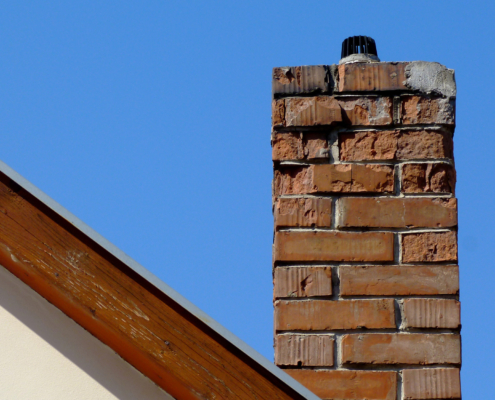
Cracks in the masonry within and around your chimney are red flags. These cracks offer a path for the heat to escape, igniting surrounding combustible material. And if the roofing material around your chimney looks singed or burnt, it’s a clear chimney fire sign. This is especially alarming because it implies the fire has escaped the confines of your chimney and is affecting the surrounding structure.

Unexpected Heat When Your Fireplace Isn’t Lit

If you notice unusual heat emanating from your chimney or fireplace even when it’s not in use, a slow-burning fire could be taking place. This subtle combustion can pose significant risks, requiring prompt, professional intervention to ensure the safety of your home and chimney system.

Popping, Cracking, and Roaring Sounds

Unusual sounds such as sudden popping, cracking, or roaring from your chimney may signal a fire. These abnormal noises should be taken seriously with immediate investigation by professionals to address any fire risks and ensure the safety of your home.

Burning Smell

A smokey or burning odor, especially when the fireplace isn’t in use, is a common sign of a chimney fire. Also, heightened carbon monoxide levels can accompany such incidents, posing severe health risks. Professional attention is crucial to address these signs, ensuring safety and proper chimney functionality.

If you’ve identified chimney fire signs, there’s bound to be some residual damage. Approved Home Improvements can restore your chimney after a fire.

How to Recover After a Chimney Fire

After recognizing chimney fire signs and making sure everyone is safe, it’s time to restore your chimney. Let’s take a look at this recovery process in depth.

Schedule an Inspection to Assess Fire Damage

The first step after a chimney fire is to schedule an inspection. A professional can identify areas that might need repair and inspect visible damage as well as hidden areas inside the chimney. Using specialized tools, they probe inside the chimney, identifying problems like cracked tiles, dislodged bricks, and other signs of a past burning fire.

Conduct Chimney Masonry Repairs

Once the damage is assessed, it is essential to have repairs done promptly. Delaying chimney repair can put your home at risk and lead to more damage. If the mortar joints within your chimney crack or fail, you are at risk for water damage and a house fire. A professional can restore your masonry to its original condition.

Hire a Certified Chimney Sweep to Prevent Future Fires

A great step towards future prevention is hiring a certified chimney sweep like Approved Home Improvements. These well-trained experts understand the safety codes of wood stove and fireplace installation and can do the necessary chimney cleaning.

This step is vital because creosote buildup is a common cause of chimney fires. The chimney sweep can also inspect your chimney cap and recommend improvements or repairs.

When to Reach Out to Professionals

Reporting a chimney fire can feel overwhelming, but knowing when to take swift action is crucial to your home and family’s safety. Let’s look at a couple of situations when it would be best to call in the professionals.

Reporting to the Fire Department

If you suspect or know you have an active burning chimney fire, your first call should be to the fire department. Look for signs like cracking, popping, and roaring sounds, along with an unusually large amount of dense smoke or flames coming from the top of the chimney.

Not all chimney fires are alike, and not all are visible quickly. A slower-burning fire can cause just as much damage and be more deceptive. By letting your local fire department handle this situation, you prevent the situation from escalating.

Involving Chimney Repair Services

Once the chimney fire is resolved, the next task is to clean and repair the impacted areas. This job is best left to trained professionals. Chimney repair services restore the chimney and detect any unseen damage inside, such as chimney leaks, which can cause more problems.

Combined with regular inspections and maintenance, identifying these chimney fire signs and following the proper restoration steps can prevent extensive damage. If you need a chimney expert to perform these essential tasks for your masonry, turn to Approved Home Improvements.

Restore Chimney Fire Damage With Approved Home Improvements

At Approved Home Improvements, our commitment to chimney safety goes beyond mere repairs. Our experts are highly trained to recognize early chimney fire signs. By identifying the causes and assessing the extent of damage, we provide immediate solutions and preventive measures to make sure such incidents don’t happen again.

Your safety and your chimney’s structural integrity are our top priorities. Trust our professionals to restore your chimney to its original state and fortify it against risks for a warm, comfortable, and safe home. Get in touch with our experts today to get started.

More Like This

St. Louis Winter Weather Can Worsen Chimney Damage: 5 Repairs You Shouldn’t Delay

Winter chimney damage in St. Louis can worsen fast. Learn which chimney repairs you shouldn’t delay and how to protect your home this season.

Signs of Chimney Problems During Winter: What to Watch for When It’s Cold

 Learn the signs of chimney problems during winter, including frost buildup, smoke backflow, and water leaks. Stay safe and informed all season long.
new roof and house under construction

How to Budget for and Estimate Chimney Repair Costs

Understand true chimney repair costs here. Learn how to budget smartly and avoid overpaying with our comprehensive cost breakdown guide.

Chance of Damage to Your Stucco After the Storms

Worried about storm damage to your stucco chimney? Learn the signs, risks, and repair solutions in this guide.
Brick chimney and metal vent on a house shingled roof in Boston, USA

Why You Shouldn’t Wait to Schedule a Chimney Tuckpointing Consultation for Repairs

Don’t ignore damaged mortar—schedule a tuckpointing consultation now to prevent costly repairs, moisture damage, and structural issues.

Chimney Inspection Preparation: The Importance of Professional Cleaning Services

Chimney inspection preparation starts with a professional cleaning to ensure safety, improve performance, and avoid issues during your inspection.

How to Tell If You Have Storm Damage

Not sure if you have storm damage? Learn the top warning signs, risks, and how to repair issues like chimney tuckpointing storm damage.
Recognizing the Signs of Chimney Deterioration Before It's Too Late

Recognizing the Signs of Chimney Deterioration Before It’s Too Late

Learn how to identify early signs of chimney deterioration, understand the causes, and know when to call for professional repairs.
Stucco Chimney Repair vs. Tuckpointing: Which Is Right for Your Home

Understanding the Basics of Chimney Repair

  Learn if stucco chimney repair vs. tuckpointing is right for your home based on chimney materials, damage type, and long-term benefits.
Request a Free Chimney Quote